The problem is rarely the printer
When traceability stalls on a production line, the cause is usually three gaps rather than missing hardware: each department writes its own coding rule, capture happens after the fact and relies on clerks re-typing, and the data sits in local spreadsheets so a single query spans three systems. The printer is the easiest part.
Fix the coding rule before the hardware
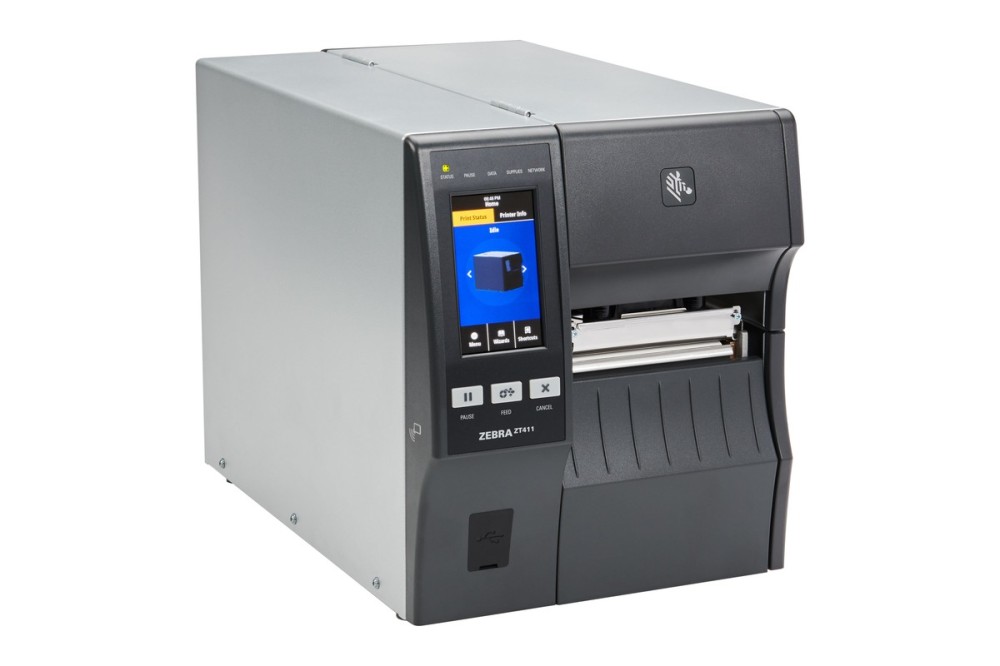
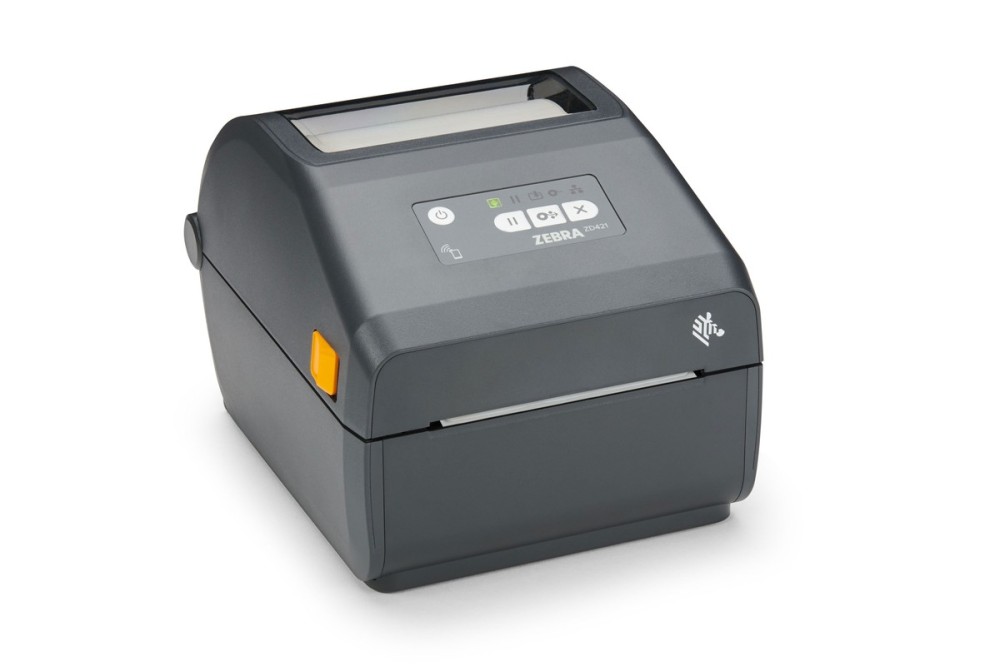
Split the code into three segments: a fixed plant and line identifier, a parsable date and batch, and a unique serial. The first two stay human readable, the third keeps the system unique. Choose label size only after the rule is settled, otherwise a later change of symbology means reprinting every label already in stock.
Match the facestock to the process. Ordinary assembly stations run coated paper with wax or wax-resin ribbon. Stations that see washing, drying or solvent wiping need PET with a resin ribbon, or the print will simply wipe off.
Put capture where the data is created
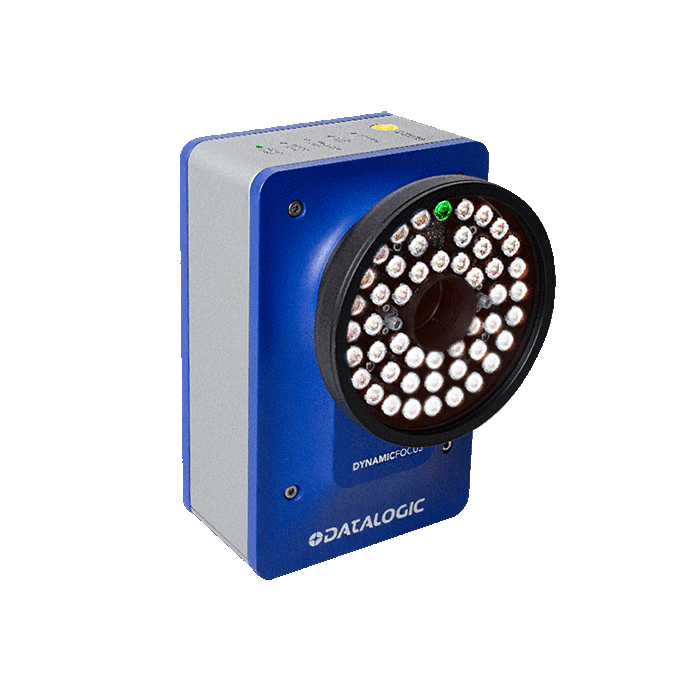
Fixed-mount scanners at key stations link to the machine over IO or serial, reading the part automatically so the operator cannot forget. Walking stations use a mobile computer or handheld scanner, and the application must buffer offline.
Assembly poka-yoke relies on scan comparison: work order first, part second, a mismatch against the BOM stops the step.
Make the data traceable in both directions
Keep three layers of records: unit, batch and work order. Unit queries replay every station a product passed; batch queries scope a recall to the affected units; work order queries reconcile input, output and defect distribution. In the database these are indexes on one record, not three separate systems.
Where this fits
Automotive parts: audits sample by batch and expect a single unit to trace back to material lot, machine and operator. Metal parts usually take high-temperature labels, or a DPM code marked straight on the part, which needs a reader that handles low-contrast direct part marks.
Electronics: board space is tight, so DataMatrix inside 5 x 5 mm is common. That needs at least 300 dpi, and the position has to be fixed by a fixture because hand placement drifts.
Food and beverage: batch and shelf life drive everything, traceability has to reach the ingredient drum and the inner packaging lot, and labels must survive spray, chill or steam. Coated paper does not hold up in those conditions.
What acceptance looks like
Three measurable checks: can a unit query replay every station record; how many duplicate codes exist, which should be zero; can the rejection log be exported by time.
Three common mistakes. Capture pushed entirely onto final inspection, with earlier stations recalled from memory, which breaks the chain the first time it is audited. Semantics buried in the code but never written into a rule document, so the next person cannot decode it. Unit-level traceability without lot level, which leaves no way to scope a recall.
Roll-out order
Start with one line as a pilot and prove coding, capture and query end to end before copying it. A plant-wide start concentrates all problems on the coding rule, and one change means reprinting everything.