Where receiving errors come from
The usual sequence: the truck arrives, goods are unloaded, counted on paper, and keyed in before the shift ends. Four or five hours pass in between, and once the quantity is wrong nobody can say who counted it. The problem is not the people, it is that counting and recording were split into two jobs.
Turn counting into scanning
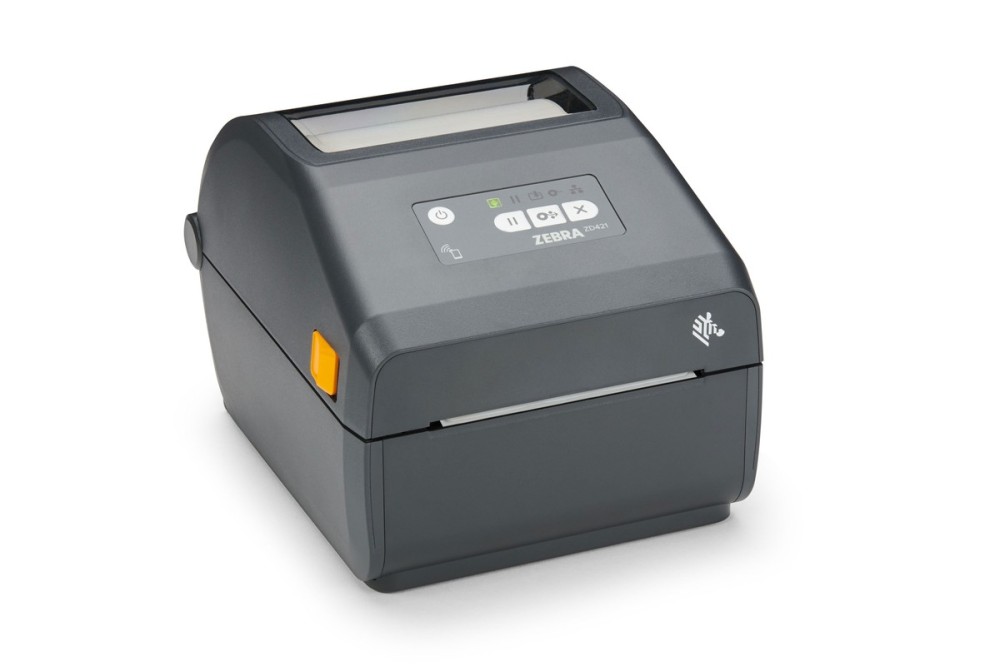
Where the supplier ships carton or pallet codes, one scan accumulates quantity on the handheld. Where there is no carton code, a label is printed on site. Scanning is the receipt, and variances such as shortage, damage or wrong specification are selected as a reason code at the same moment and linked to the receipt document.
Putaway must bind a location
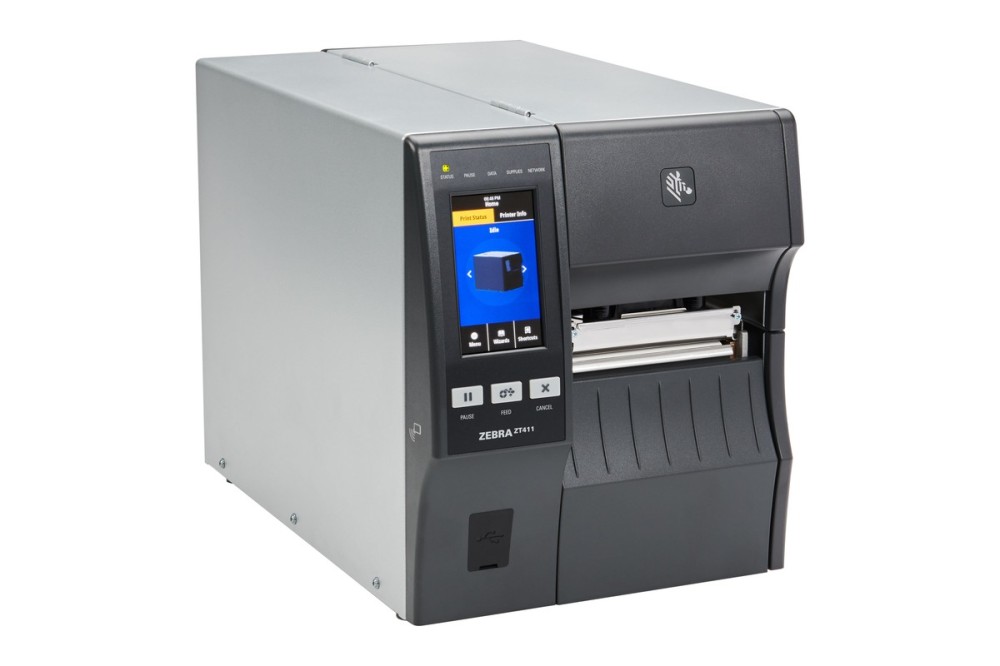
Stock without a bound location means knowing you have goods but not where they are. Scan the item, then the bin code, and the system links the two. Code bins in four segments of zone, row, column and level, print on scratch-resistant PET and fix to the rack beam at a depth the forklift cannot reach.
Where this fits
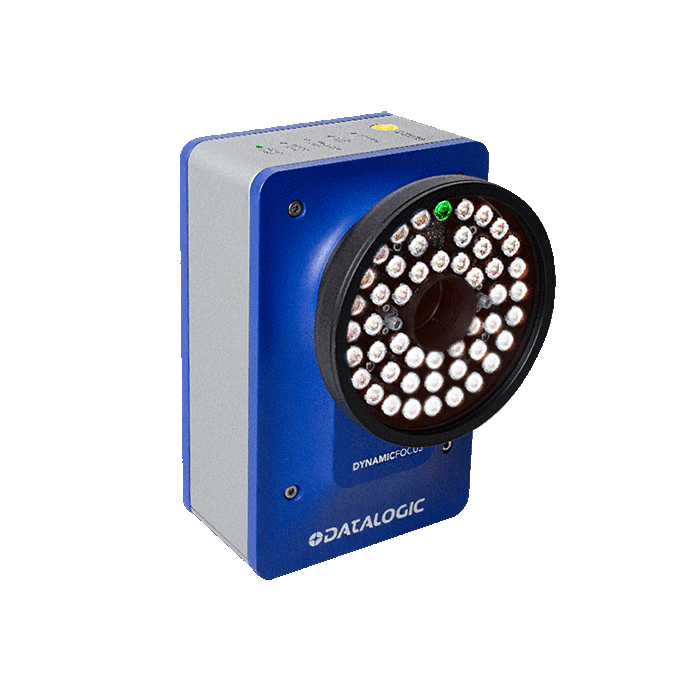
Distribution centres: pallet receiving dominates, fixed-mount readers at the dock remove the handheld step, and the pallet code is bound once at goods-in.
E-commerce warehouses: many SKUs in small quantities, so receiving runs at two levels, carton and item, and mixed inbound loads have to be opened and counted.
Cold chain receiving: the temperature step between dock and store defeats ordinary adhesive, so specify a cold-store adhesive and control surface temperature at application.
What acceptance looks like
Watch receiving discrepancy rate, put-away location accuracy and dock-to-putaway time per truck. Location accuracy deserves more attention than discrepancy rate because it sets picking performance downstream.
Typical traps: scanning the carton and never the item, which breaks the stock figure the first time an order is split; handwritten location labels that become useless after a racking change; recording only a zone and not a level, leaving pickers to search.
Handover to ERP
Write the receipt back to the purchase order through an interface so warehouse and finance do not keep two sets of books. Where the interface is not available, a scheduled staging table is enough to get the floor working first.