The cost lands downstream
One wrong item looks like the price of a replacement courier run. If it reaches the store before anyone notices, it becomes a stock-out, a complaint and a reverse logistics cost at the same time. Checking before dispatch is far cheaper than correcting afterwards.
Picking: verify as you go
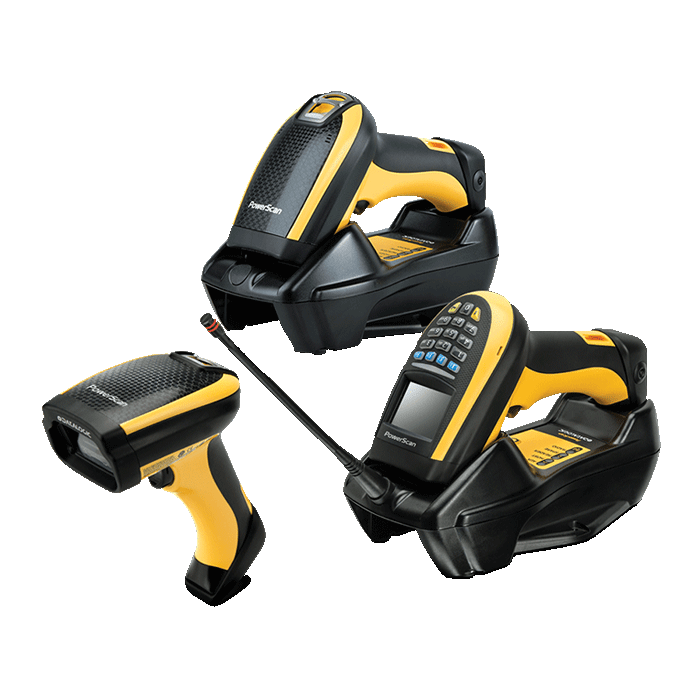
The picker takes the task on a handheld and the screen lists items in bin sequence. Scan the bin, scan the item, and any mismatch against the task stops the pick before the next one starts. Full cartons can be scanned at carton level; loose items must be scanned individually, otherwise the check is decorative.
Loading: verify against the order
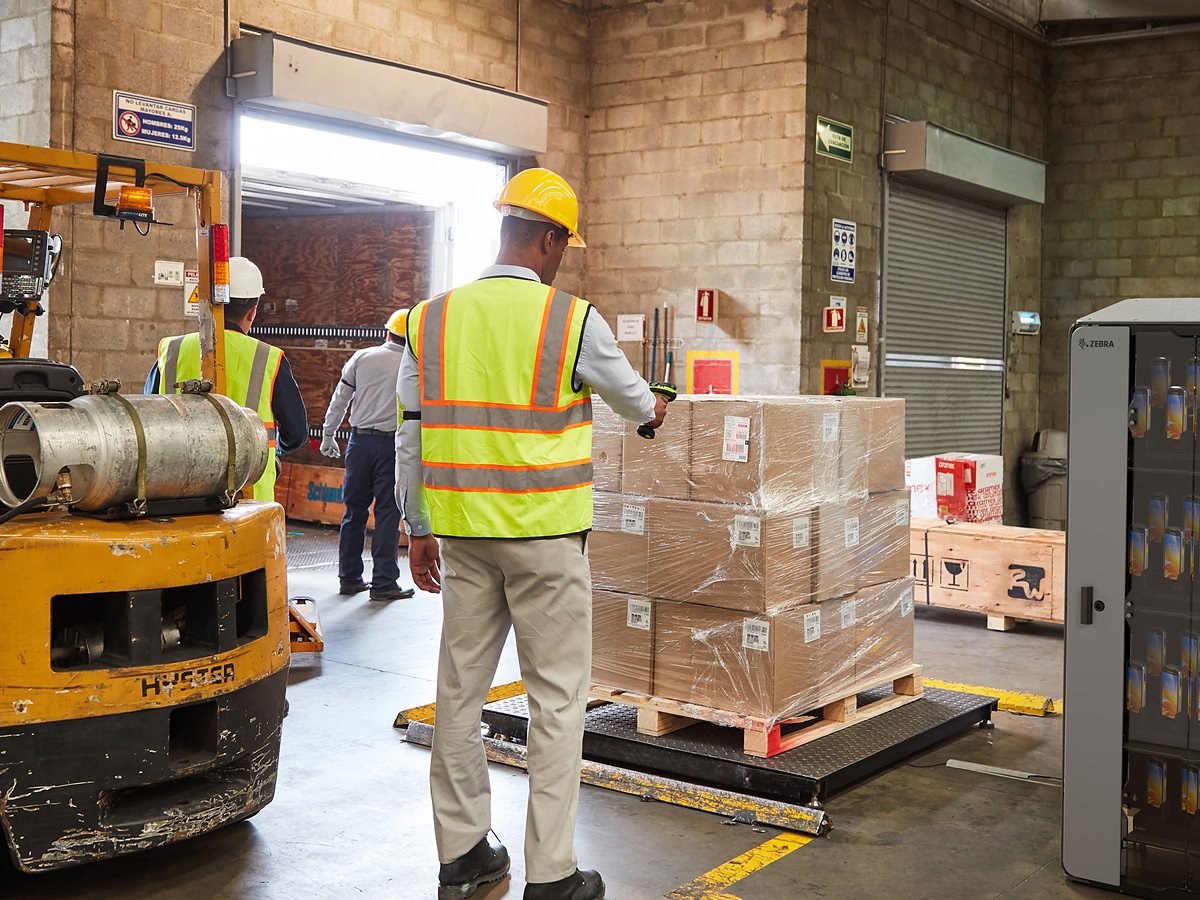
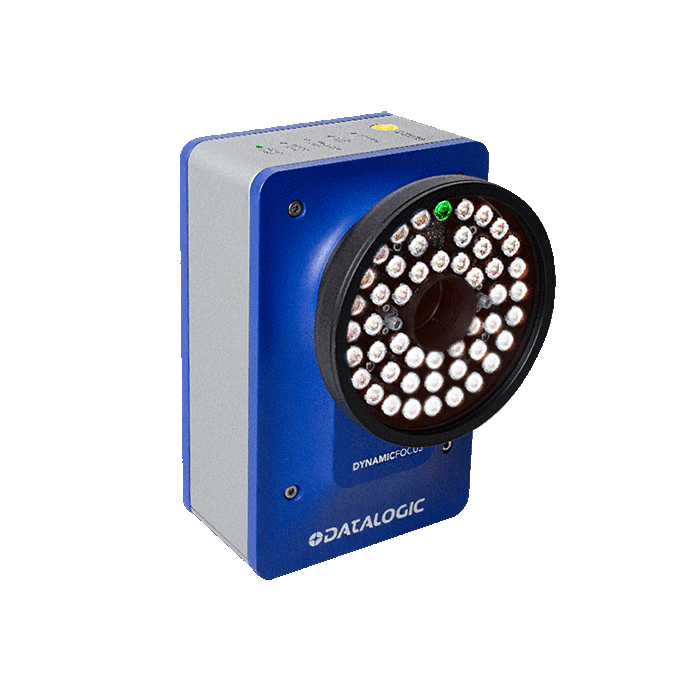
Every carton is scanned before loading and the system matches specification and quantity to the order, flagging over-loading, short loading and mixed orders. Where the dock allows, a fixed-mount scanner with light and sound indication reads the load as the forklift passes without stopping, which cuts verification time to almost nothing.
Where this fits
Distribution: full-case and split-case run together, pick lists are sequenced by location, and the terminal should route by wave.
Post and courier: sorting dominates, so read speed matters more than read precision and codes must be captured while items keep moving.
Cross-docking: goods transfer without going into storage, which leaves a single check point, so the whole order has to be scanned before loading.
What acceptance looks like
Track wrong-shipment and short-shipment counts, the loading check pass rate, and how well the load list matches the freight. Measure the cycle time of the check itself, because a check that slows the loading bay is a check the team will work around.
Common mistakes: scanning the location and not the item; replacing scan verification with manual counting; placing the check after loading, when an error can no longer be corrected.
Keep the stock record current
Deduct stock the moment the outbound scan completes rather than at the next day reconciliation. Real-time deduction exposes the gap between book stock and physical stock early, and early exposure is cheaper to fix.