The old paper process
Handwritten sheets, later keying and manual reconciliation each lose accuracy. The bigger problem comes afterwards: nobody can explain the variance, whether it was a missed scan, a wrong entry or genuine loss.
Blind count plus a second pass
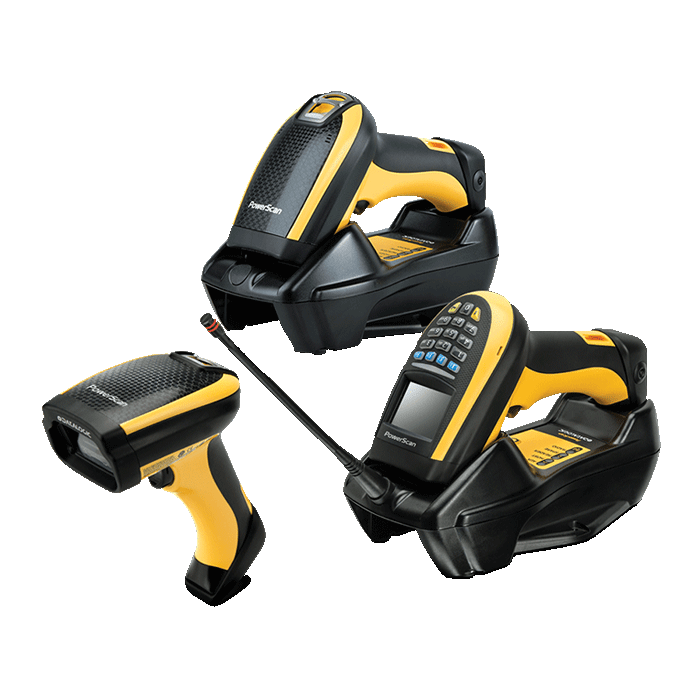
In the first pass the counter sees no book quantity and scans only what is on the shelf, which prevents copying the expected figure. A second person then counts independently and the system compares the two results, listing only the items that differ for manual confirmation. Two independent passes find more than one careful pass, at the cost of one extra person for half a day.
Labels and stock from one source
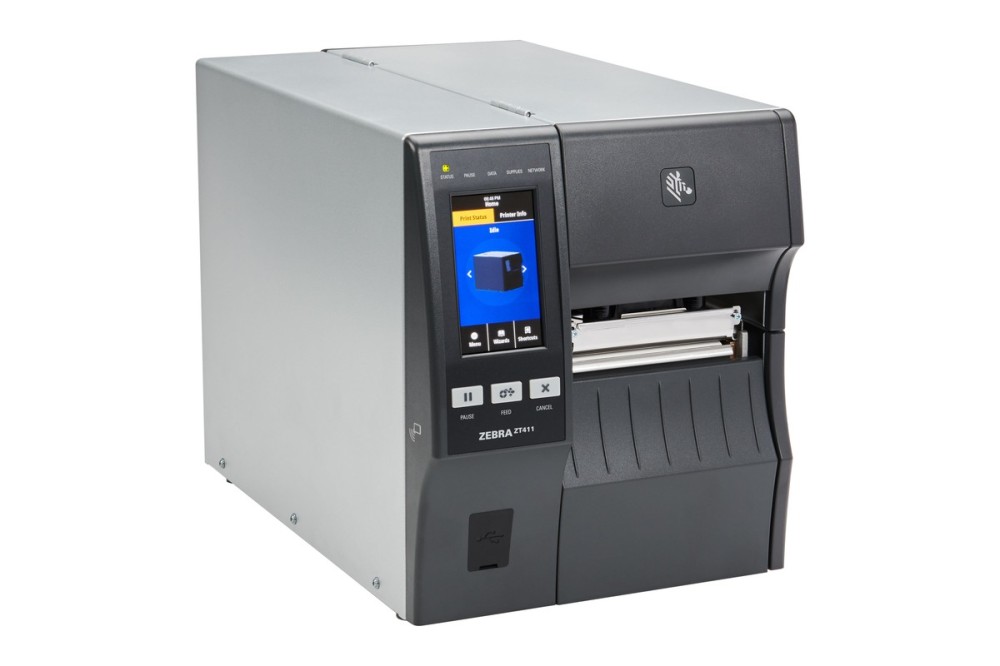
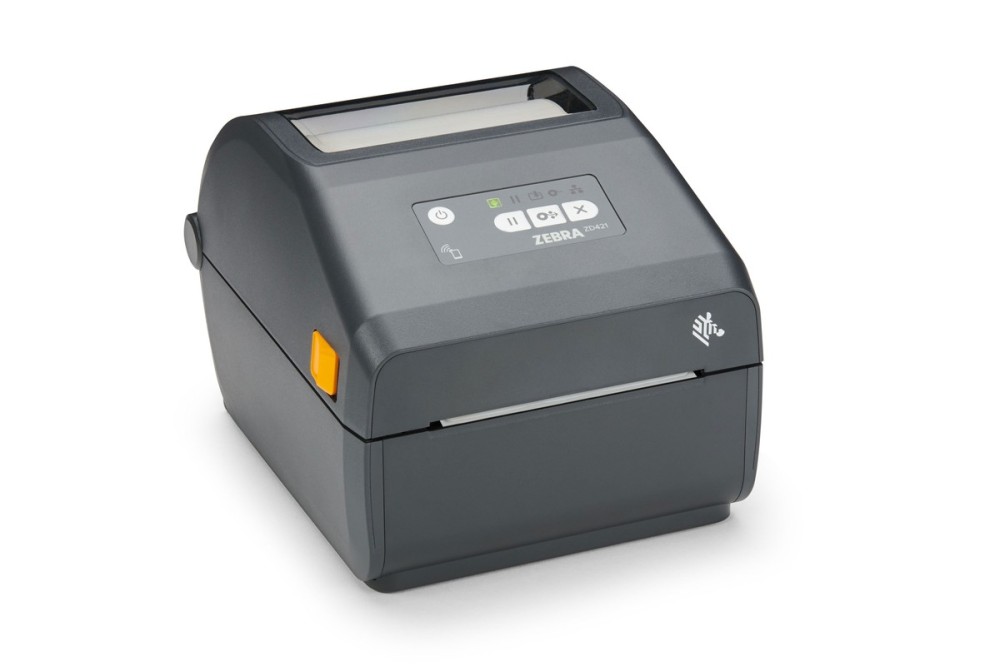
Direct thermal labels without ribbon suit short promotions and everyday pricing. For labels that hang for months, contact grease or sit in sunlight, move to thermal transfer on synthetic paper or PET. Prices are exported from one system so the shelf and the till never disagree, which is where most promotion changeovers go wrong.
Where this fits
Grocery: many SKUs turning fast, so counts have to run zone by zone without closing the store.
Department stores and specialty: high unit value and theft risk, so label and security tag often sit on the same item and the count must not double-scan it.
E-commerce forward warehouses: the stock figure has to match the online system, because both stockouts and overselling start from a mismatch.
What acceptance looks like
Look at count duration, variance between book and physical stock, and the time from a detected gap to a replenishment order.
Common problems: an open count where staff tick against a list, which keeps variance suspiciously low while the book stays wrong, where a blind count with a second pass exposes the real gap; variance reports that never write back to the system, so the next count repeats the error; price and stock held in two places, so a price change leaves the stock value behind.
Make the variance list actionable
Attach a reason to every variance: missed scan, wrong code, damage, loss, or not yet received. Once the categories are counted, it is clear whether the fix is a process change or more equipment.