Zebra ZT411 Industrial Label Printer
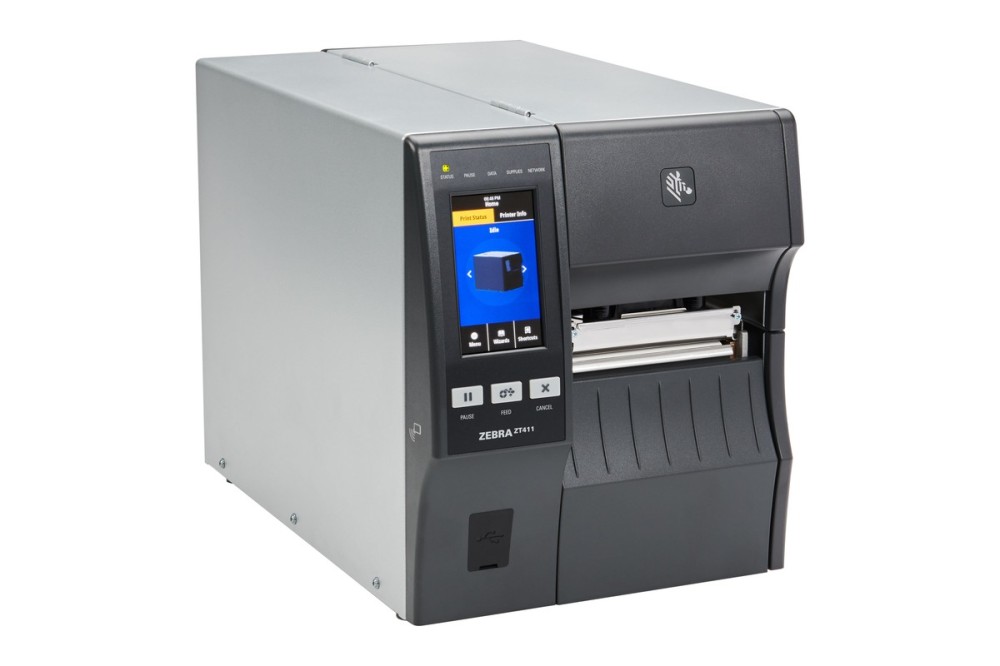
Zebra ZT411 industrial printer with a 4.3-inch colour touchscreen, up to 600 dpi and redundant interfaces, for mid-size lines and warehouse traceability.
The client had to prove how much packaging is actually recovered. A UV mark added during printing is read on the recycling line, per brand and material.
The client is a packaging printer in eastern China supplying labels and packaging to fast-moving consumer brands. Extended producer responsibility rules are tightening, and brands now ask suppliers for measured recovery data rather than industry-average estimates.
The difficulty is physical: packaging varies in shape, colour and material, and on the recycling line it is mixed, stacked and baled. Conventional barcodes are unreadable once soiled or obscured. The client needed an identity that added no extra process step and still read reliably on a high-speed sort line.
Equipment and consumables commonly used in this scenario, configurable to your site.
Zebra ZT411 industrial printer with a 4.3-inch colour touchscreen, up to 600 dpi and redundant interfaces, for mid-size lines and warehouse traceability.
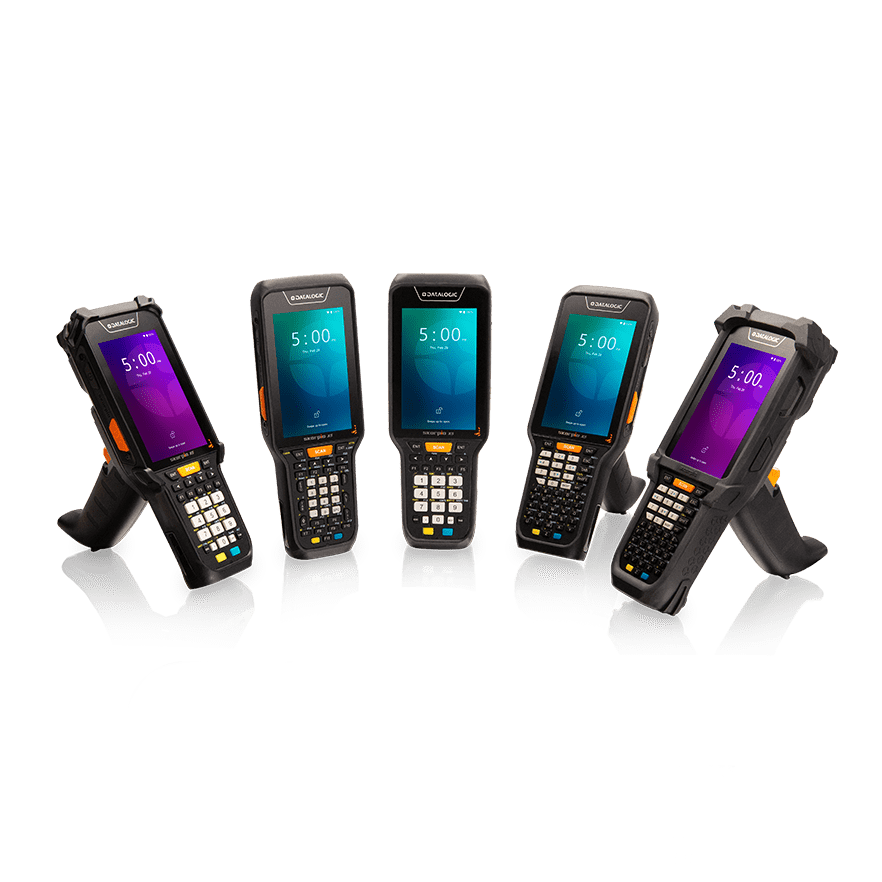
Datalogic Skorpio X5: enterprise Android, octa-core Qualcomm, IP65 sealing and a 4-inch display, for warehouse, manufacturing and retail data capture.
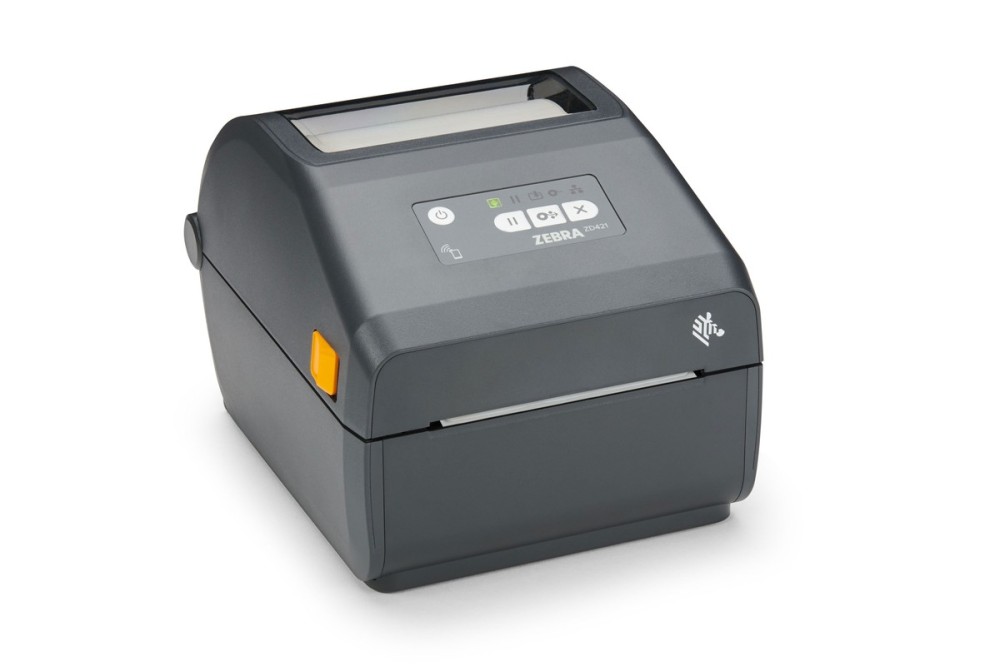
Zebra ZD421 desktop printer with flexible interface options, covering office, retail and light industrial labelling.
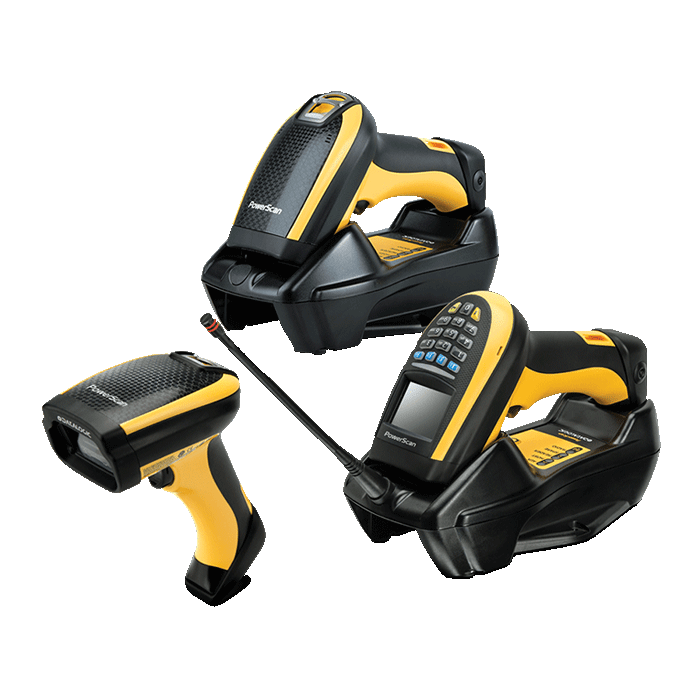
Datalogic PowerScan 9100 industrial scanners, built to last, with medium and long-range 1D reading for warehouse, manufacturing and logistics.
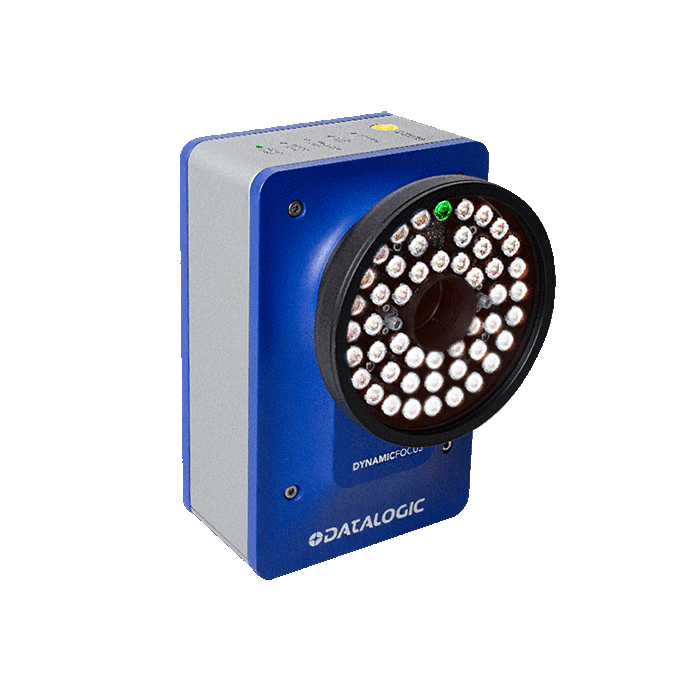
Datalogic AV500 and AV900 high-end fixed-mount vision readers that handle attended or unattended lines and read reliably on fast conveyors.
Custom adhesive labels in coated paper, synthetic, PET and matte silver, in custom sizes and winding, with sample print trials before bulk orders.
Based on the site conditions, we delivered the following custom solution.
A covert UV mark is applied during label printing and encodes material, brand and production batch. It is invisible to the eye, does not affect the packaging appearance and adds no separate production step. At the recovery end the mark fluoresces under UV light.
An industrial camera and a vision processing unit on the sort line capture and decode the mark in real time at twenty frames per second, keeping pace with the line. Camera and compute are separated, so one camera failure does not stop the line. That is a practical difference from systems with the processing embedded in each camera.
Reads are aggregated by brand, material, item code and read location into measured recovery rates. A brand can see which packaging comes back and which does not, and adjust design accordingly. For the supplier, the same data is a differentiator at tender.
A UV covert mark rather than a conventional barcode, because packaging on the sort line is mixed, stacked and baled until the printed surface is largely hidden or damaged, which leaves a barcode too narrow a read window. The mark sits inside the existing print process, so appearance does not change and no extra step appears.
Camera and compute are separated because the line vibrates and maintenance windows are short. An all-in-one unit stops the whole line on a single fault, while separate boxes let you swap a camera without touching compute. Twenty frames per second is the floor derived from line speed, not the ceiling of the hardware.

Key steps and engineering details from the deployment.
Similar projects in the same industry or application.
The client had to prove how much packaging is actually recov···
Flash, short shots and sink marks escape the eye at line pac···
Paper documents and evening keying left book stock adrift. R···
From device selection and label matching to system integration, tell us what you need and an engineer will prepare a plan.