Case Studies Transportation & Logistics · Distribution

End-to-End Barcode Flow at a Regional Distributor

Paper documents and evening keying left book stock adrift. Receiving, putaway, picking and checking merged into one scan flow, with stock updated live.

2026-11-03 1 views
End-to-End Barcode Flow at a Regional Distributor
Work steps|Receive, putaway, pick, check Capture|Handheld plus fixed scanner Bin coding|Zone, row, column, level Stock update|Real time

Project Background

The client is a regional distributor of fast-moving consumer goods handling several hundred outbound orders a day in cartons. Receiving was on paper with one batch entry before the shift ended, picking relied on memory, and nothing was checked before dispatch.

Three problems followed at once: book stock and physical stock disagreed, new staff had to ask where goods were, and a wrong shipment was only discovered when the customer complained.

Products Used

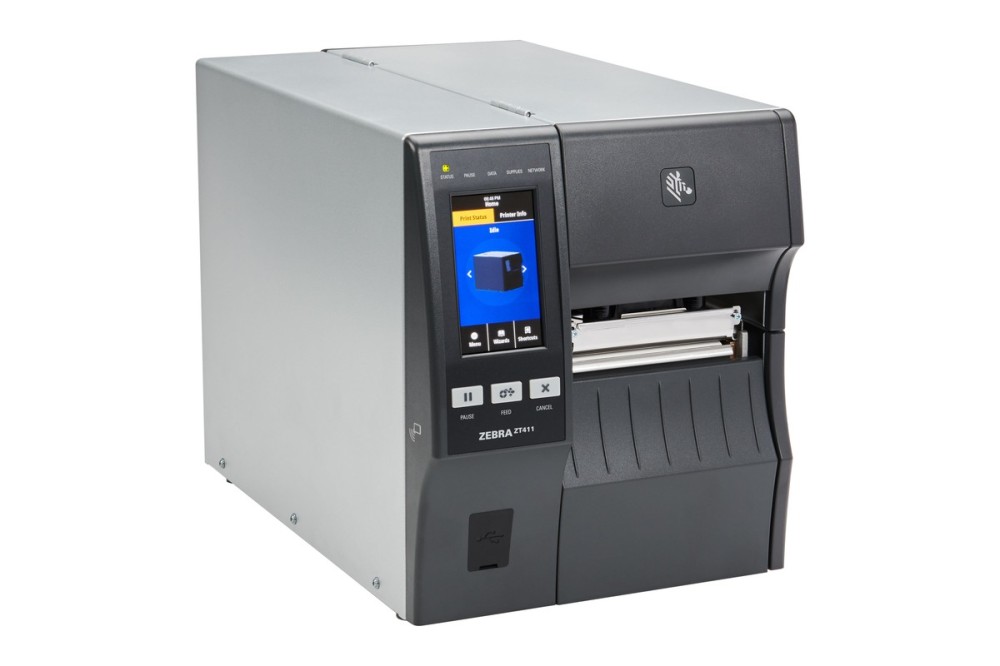
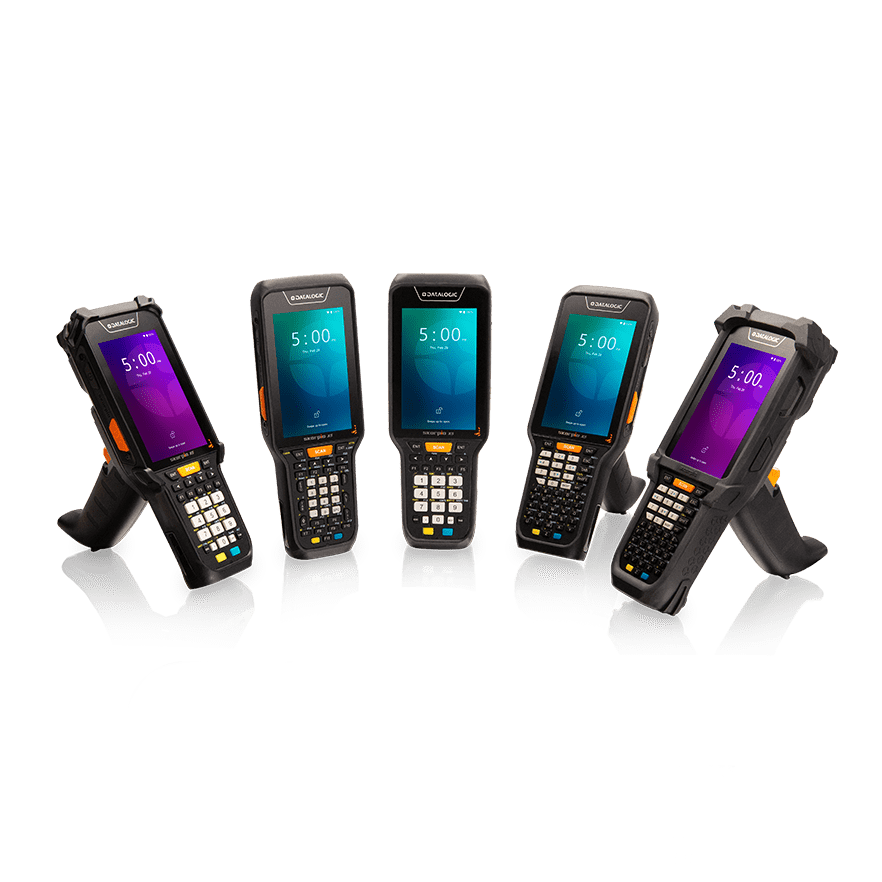
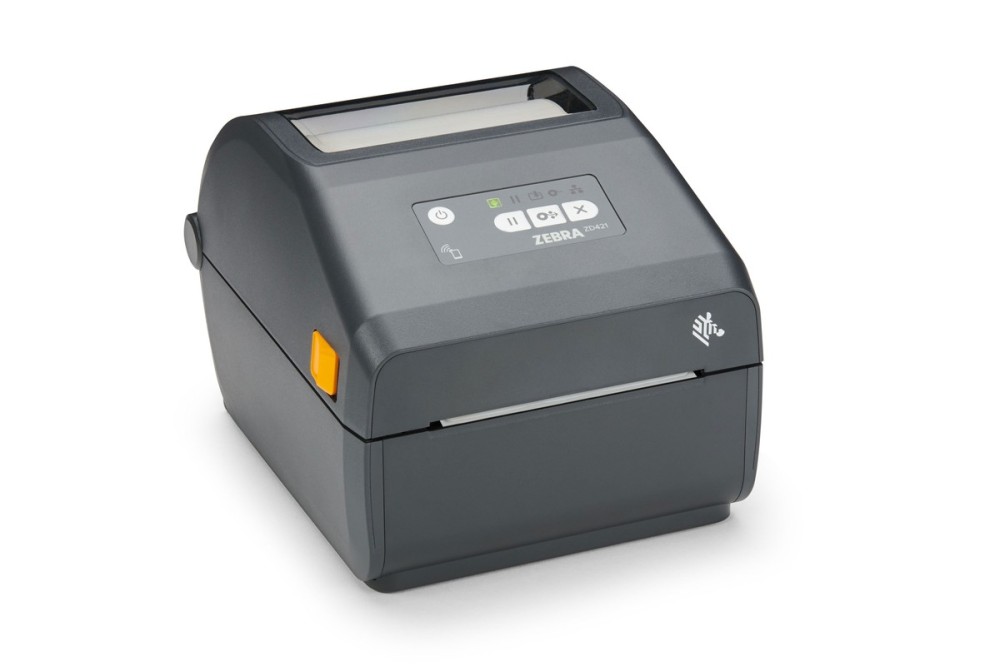
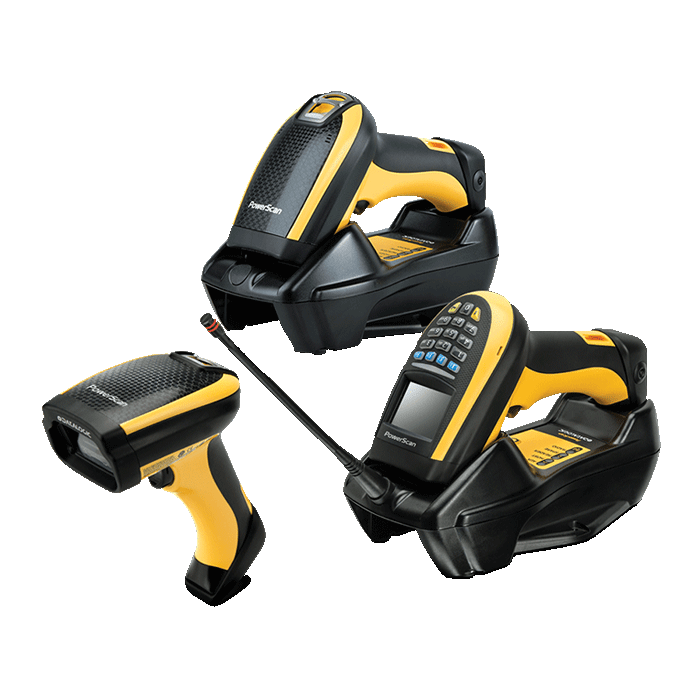
Equipment and consumables commonly used in this scenario, configurable to your site.

Solutions

Based on the site conditions, we delivered the following custom solution.

Start with bin codes

The project began with bin coding in four segments of zone, row, column and level, printed on scratch-resistant labels for the rack beams. Without bin codes neither pick sequencing nor putaway binding is possible. It is the cheapest step and pays back immediately.

Four steps, one flow

Receiving scans cartons and accumulates quantity with variance reasons selected on the spot. Putaway binds the item to a bin. Pick tasks reach the handheld in bin sequence, scanning bin then item and stopping on a mismatch. Loading checks every carton and flags over-shipment or short-shipment.

Fixed scanners at the dock

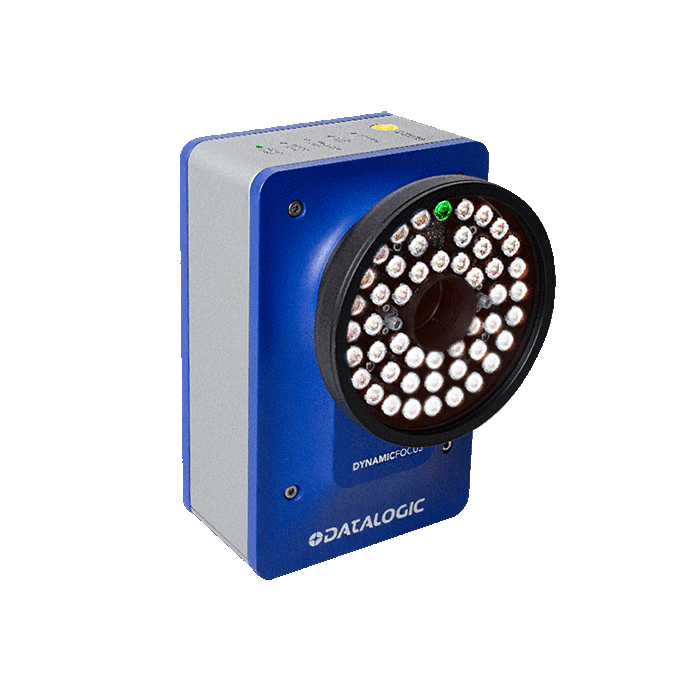
Fixed-mount scanners on the dock lane read the load as the forklift passes, with light and sound indication, so verification needs no stop. This turned the step most often skipped into one that completes automatically.

Faster onboarding

The terminal sequences work by bin location, so a new starter does not need to memorise the layout. Of all the changes, this is the one the client reported most directly: training dropped from two weeks to a few days.

Why this configuration

Fixed-mount readers at the dock because a pallet is bulky and the operator has no free hand; handhelds between racks because aisles are narrow and scanning happens while walking. Both share one coding rule, so the back office sees a single stock record.

Location codes are pre-printed rather than handwritten so the system can sequence the pick path. Waves are cut by delivery route, which makes the pick order on the terminal the loading order and removes a sorting step.


Implementation Highlights

Key steps and engineering details from the deployment.

Bins coded in four segments, labels resistant to forklift wear One handheld application covers receiving, putaway, picking and checking Pick lists sequenced by bin to cut travel Dock scanners read automatically without stopping the forklift Outbound scan deducts stock, keeping records and reality aligned Work data counted by operator and shift for review

Related Case Studies

Similar projects in the same industry or application.

Need a Similar Implementation?

From device selection and label matching to system integration, tell us what you need and an engineer will prepare a plan.

Call Us WeChat Get a Quote