Case Studies Healthcare · Hospital

High-Value Consumables and Asset Tracking in a Hospital

Consumables and devices circulate between departments with no issue record. Unique codes and scan-based issue records change that.

2026-11-03 1 views
High-Value Consumables and Asset Tracking in a Hospital
Identification|Barcode plus RFID Stocktake|Corridor walk-past Recorded steps|Issue, return, service Facestock|Alcohol wipe resistant

Project Background

Two pain points dominated. High-value consumables such as interventional supplies were kept in department cabinets with a handwritten issue book, and month-end reconciliation meant repeated searching. Mobile devices including infusion pumps, monitors and wheelchairs moved between departments and were reordered whenever a search failed.

The hospital had tried stocktaking, but the method was to suspend clinics for half a day and count unit by unit, which was too expensive to repeat more than a few times a year.

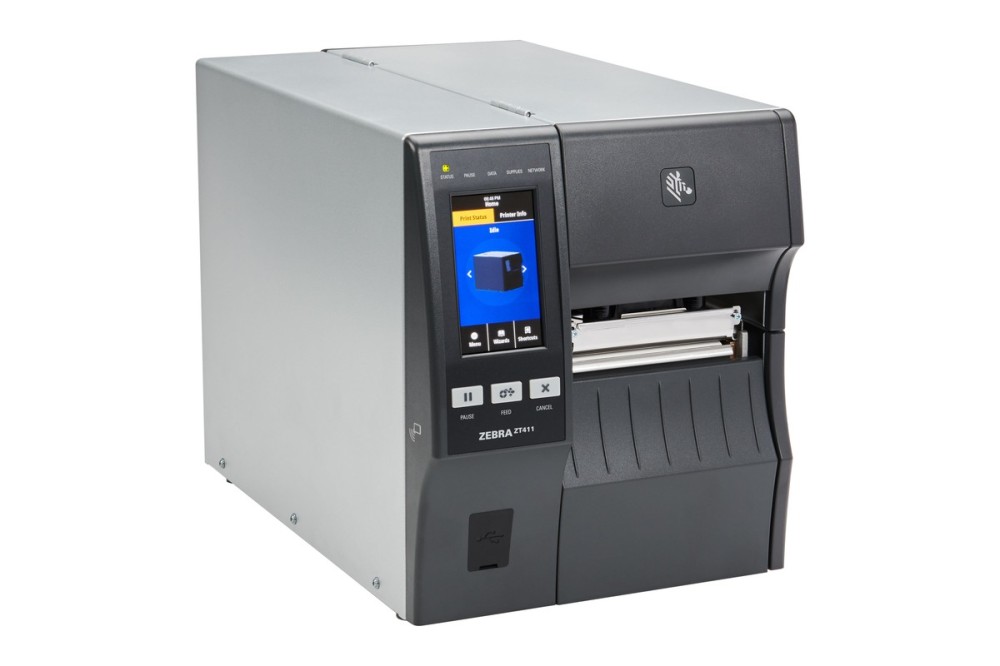
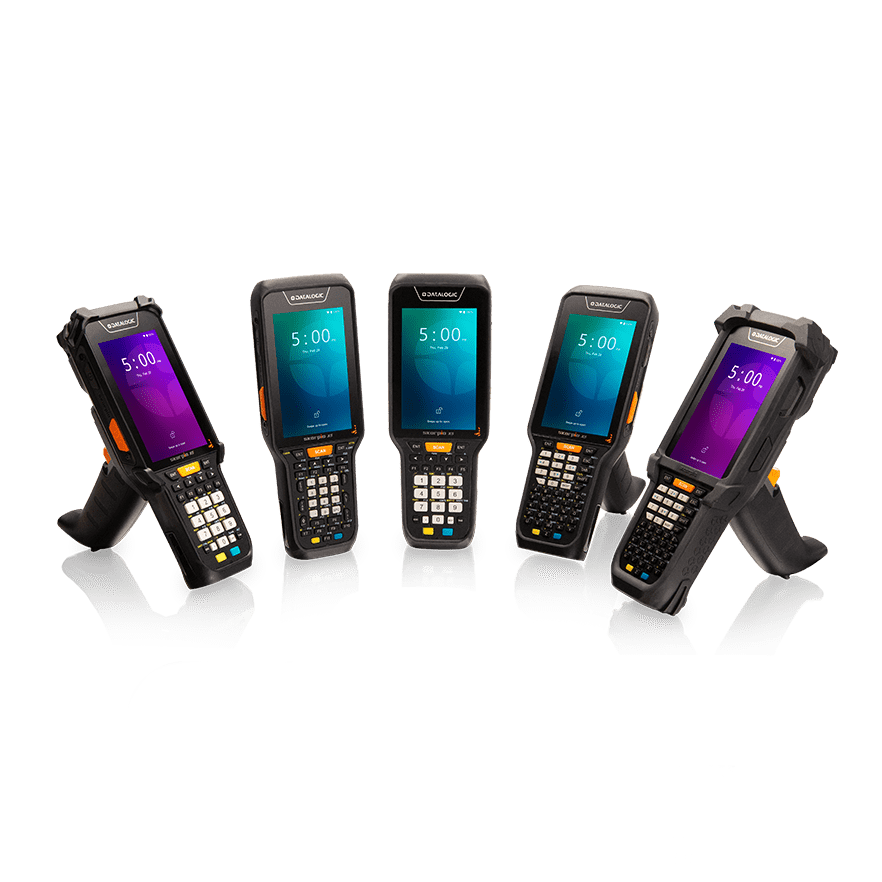
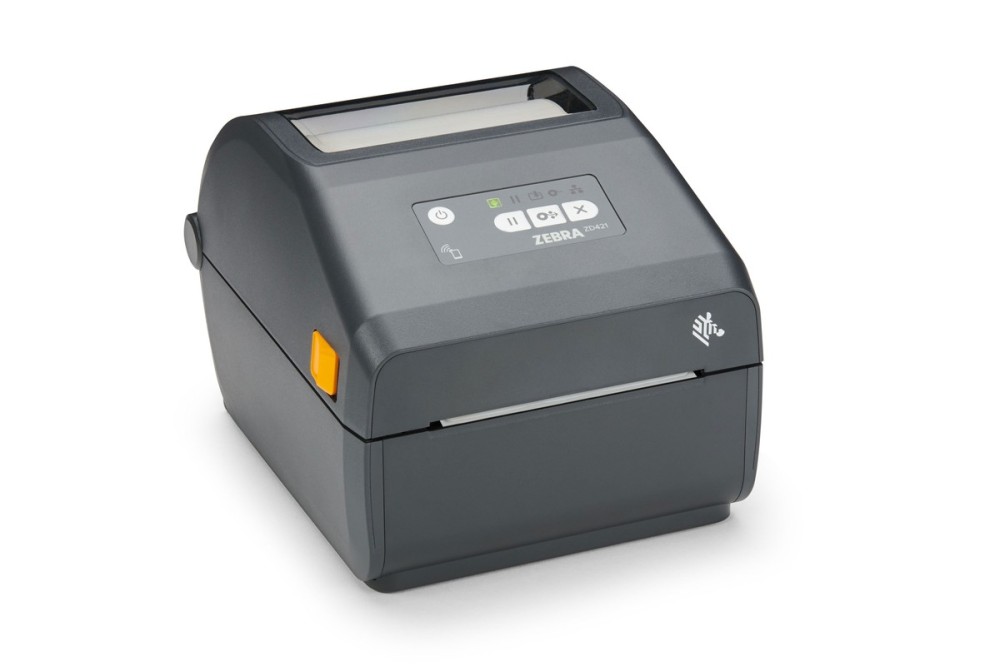
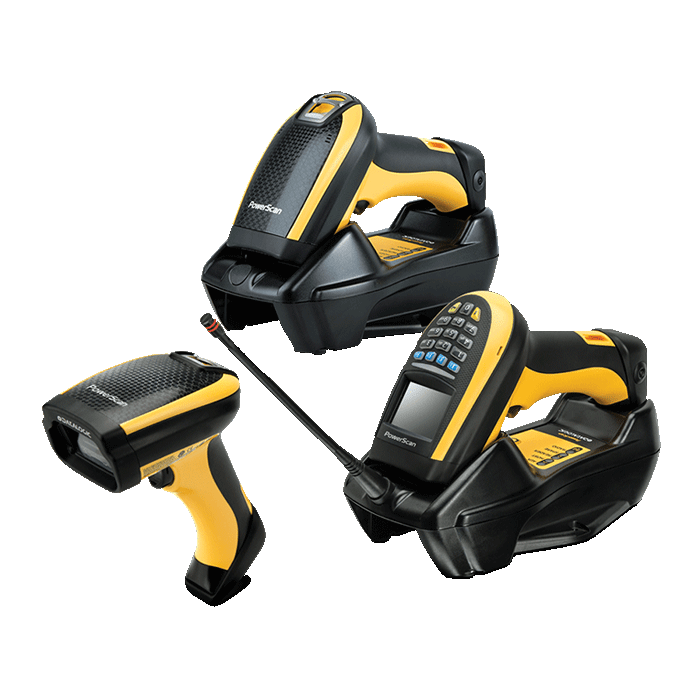
Products Used

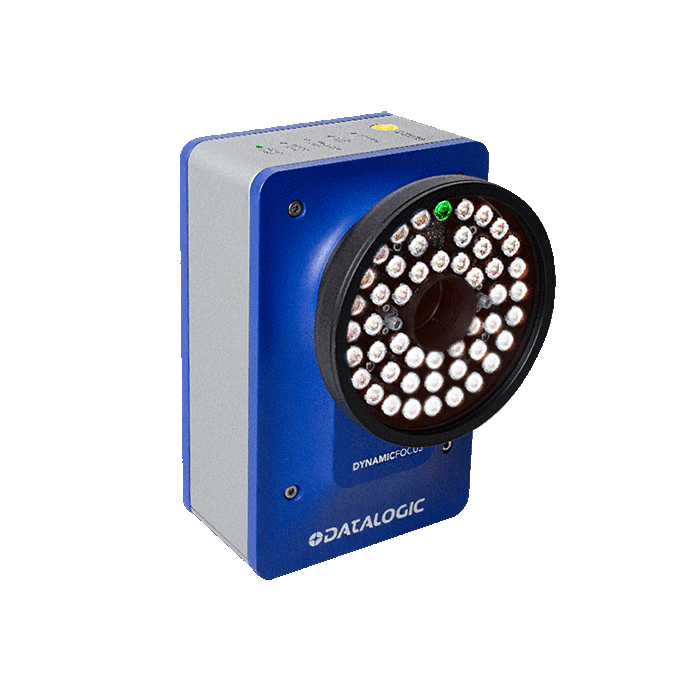
Equipment and consumables commonly used in this scenario, configurable to your site.

Solutions

Based on the site conditions, we delivered the following custom solution.

Consumables: one code per item, scanned in and out

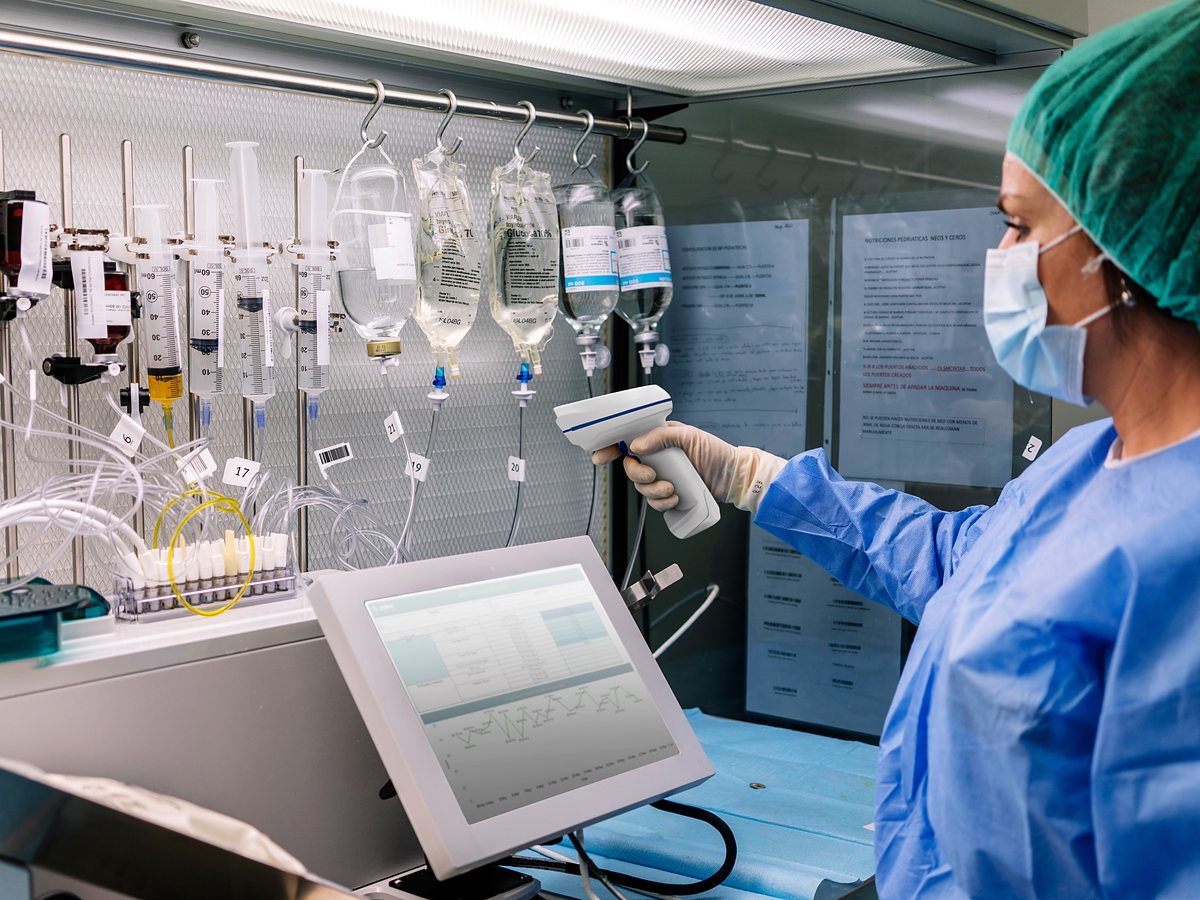
High-value consumables are coded on receipt, with specification, batch and expiry inside the barcode. A department scans on collection, again on use, and again on return if unused. Every item has a state that can be queried, and month-end reconciliation no longer depends on the issue book.

Equipment: barcode for identity, RFID for location

Devices carry alcohol-wipe resistant PET labels with a barcode and a readable number. On key floors RFID labels are added so a handheld reader walking the corridor captures every device in range without entering each room.

Three actions for borrowing

Scan the device and the department on issue, scan again on return, and flag overdue items automatically. No approval chain, or departments will work around the system. This was the point the client raised repeatedly during implementation: the lighter the flow, the higher the compliance.

Interface to the fixed asset system

Device master data stays in the fixed asset system and this solution adds only location and borrow status, so the two records do not contradict each other.

Why this configuration

High-value consumables carry high value density and are counted often, so each item gets its own code rather than a count by category. UHF inside the cabinet gives a fast full-cabinet sweep while barcode remains the record of truth at issue and return, with the two identifiers tied together by one bound unique code.

Asset labels use a PET facestock that takes alcohol wipes, because wards are disinfected daily and paper does not last a month. Wristbands are chosen by length of stay, direct thermal for short admissions and thermal transfer for longer ones.

Implementation Highlights

Key steps and engineering details from the deployment.

Consumables coded per item with specification, batch and expiry Device labels resist alcohol wiping for infection control Barcode and RFID coexist for identity and batch reading Borrow flow reduced to issue, return and overdue reminder Stocktake by walking the floor, no clinic suspension Master data synchronised with the fixed asset system

Related Case Studies

Similar projects in the same industry or application.

Need a Similar Implementation?

From device selection and label matching to system integration, tell us what you need and an engineer will prepare a plan.

Call Us WeChat Get a Quote