Where specimen errors happen
Most errors are not mislabelling but failure to verify. Collection runs across several patients at once, tubes sit together and labels were printed in advance, so the tube is matched from memory. If the pre-test step only scans the tube and never the wristband, nothing catches the mistake.
Cross-check two codes
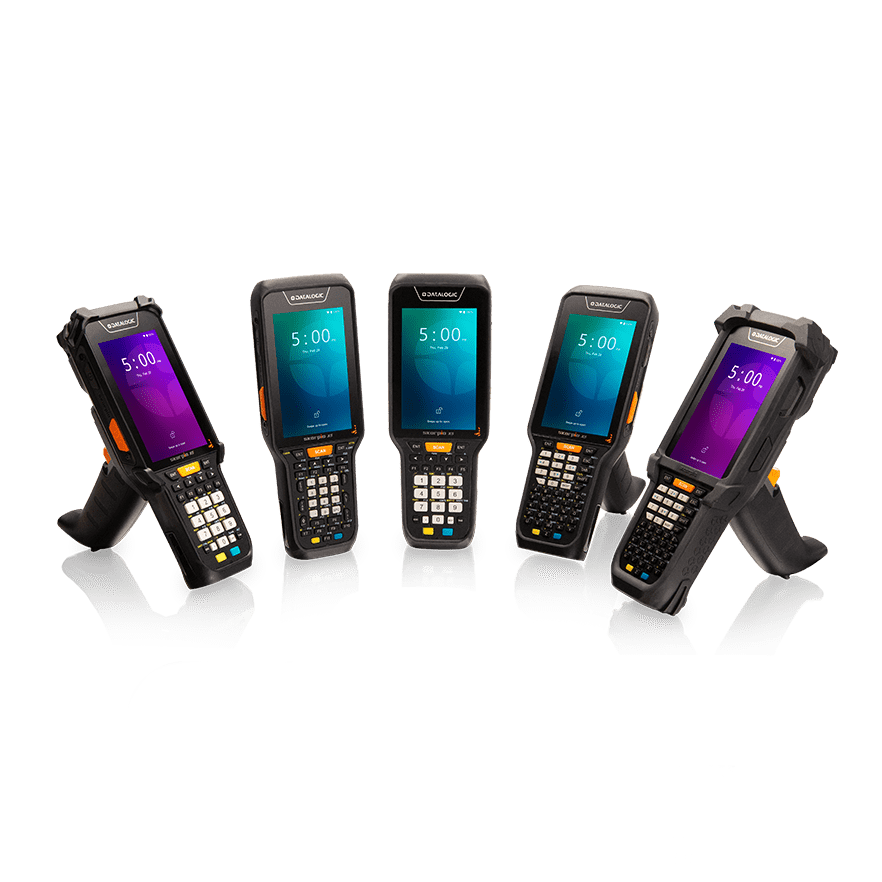
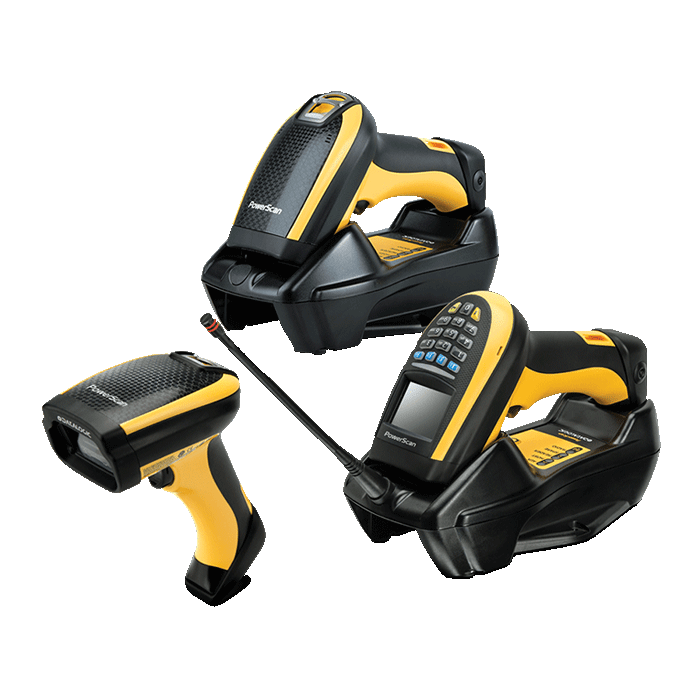
The wristband is printed on admission and the tube label at collection. They share one coding rule but each is unique. Before testing, the operator scans the specimen then the wristband, and a mismatch raises an alarm. This is the most effective and least expensive step in the whole scheme.
Labels have to survive the environment
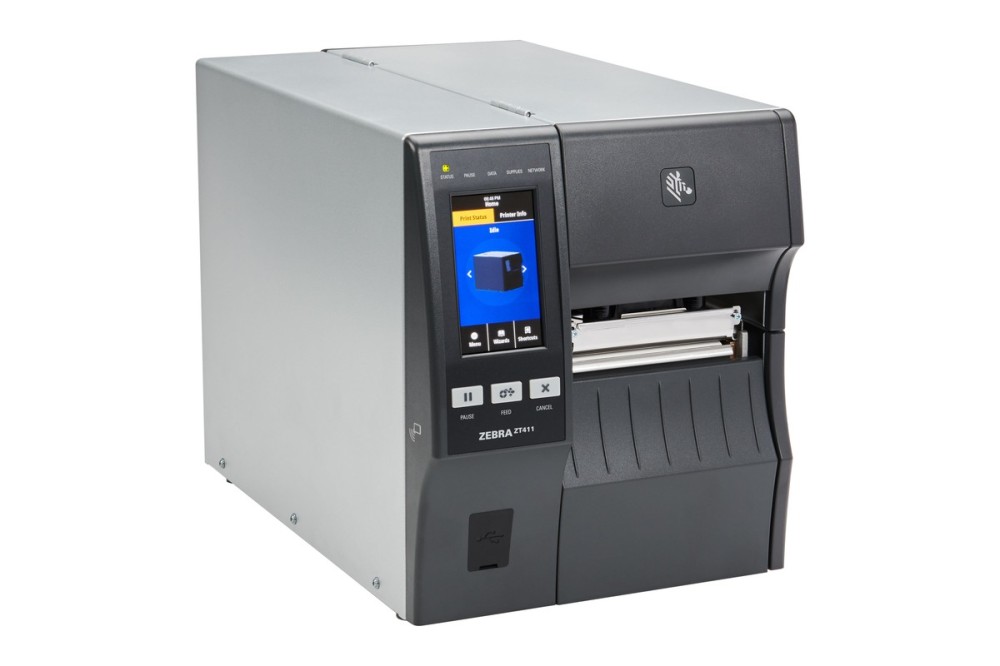
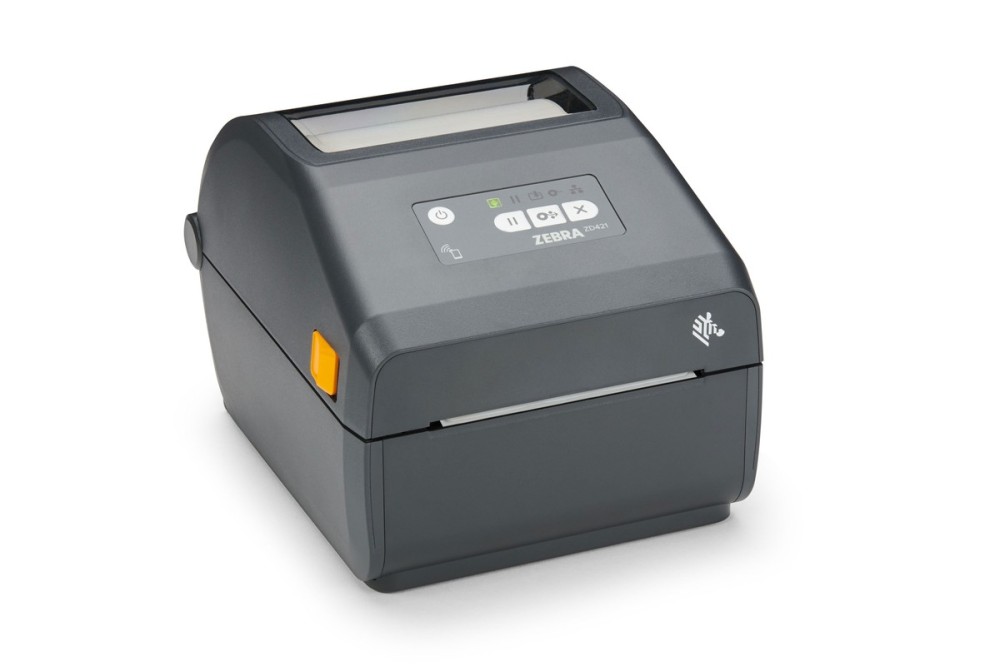
Specimens held below freezing need a low-temperature adhesive with a PET facestock; ordinary coated paper lifts and falls off below minus twenty. Where alcohol or disinfectant wiping is routine, the facestock must resist solvents and the print must use a resin ribbon, because wax is wiped away. Curved tubes need small-diameter labels matched in size and feed direction to the printer, or jams follow.
Where this fits
Hospital laboratories: tubes are labelled at the collection point and must survive centrifugation and refrigeration. Codes are usually Code 128 or DataMatrix, with size limited by tube diameter.
Third-party labs: samples arrive from several institutions, so the identifier has to carry referring site and test order, and the numbering rule must be agreed before go-live.
Blood banks: two-person verification, where label and wristband must pair on scan and a mismatch has to be blocked before issue.
What acceptance looks like
Track specimen-to-patient mismatches, first-read rate on the tube, and whether turnaround from collection to report can be queried per order.
Common problems: labelling the curved wall of a tube with too little print energy, which breaks the code at the edges; two numbering schemes running in parallel at collection and in the lab; wristbands in ordinary material that lose print after washing or wiping.
Chain of custody nodes
Collection, transfer, laboratory receipt, testing and report linking each take one scan with time and operator recorded. When a specimen is rejected, the node record shows whether the cause was insufficient volume, transfer delay or a storage temperature excursion, rather than a generic remark.