Equipment you cannot find does not exist
Total equipment and available equipment are two different numbers in a hospital. Devices cluster in a few departments, everyone searches during an emergency, and a new purchase follows when the search fails. The new unit then sits idle. The root cause is not knowing where a device is or who has it.
Choosing the identification method
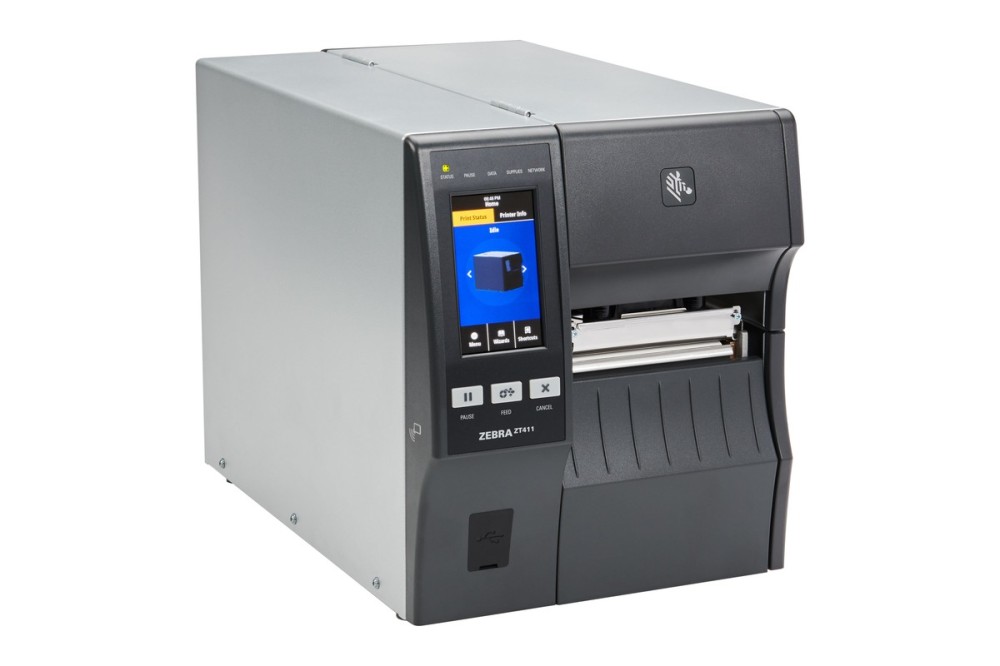
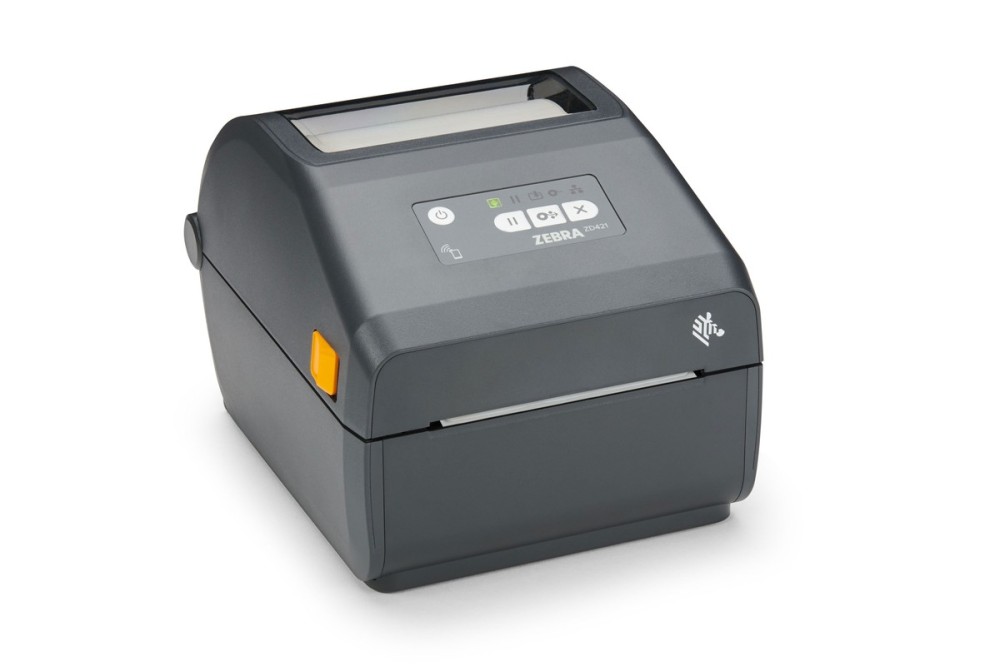
Metal housings take scratch-resistant PET or metal labels with a barcode plus a human-readable number, fixed where wear is unlikely. Where contactless batch reading matters, such as a whole-floor count or an equipment cabinet, RFID tags let a handheld reader capture several devices at once without pulling them out. The two can coexist: barcode for identity, RFID for batch location.
Keep the borrow flow light
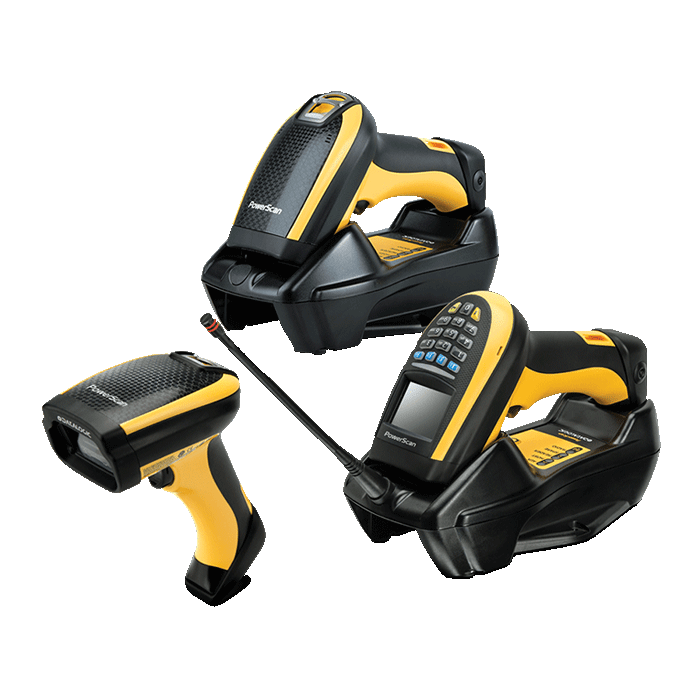
The heavier the process, the less it is followed. Three actions are enough: scan the device and the department on issue, scan again on return, and flag overdue items automatically. No multi-level approval, or departments will move equipment around the system.
Where this fits
Biomedical engineering: one code per major asset, with service and calibration intervals attached to it.
Ward-shared equipment: infusion pumps and monitors move constantly, so the identifier must be small, abrasion resistant and wipeable.
Rental and pooled devices: ownership and charging depend on loan records, and a scan must close both the issue and the return.
What acceptance looks like
Look at count duration, book-to-physical agreement, how many loans are closed with a return scan, and whether service reminders fire on time.
Common problems: labels applied but never counted, which makes them decoration; paper loan logs that lose equipment once it moves between floors; materials that cannot take alcohol wipes and go illegible within months.
Stocktaking and service
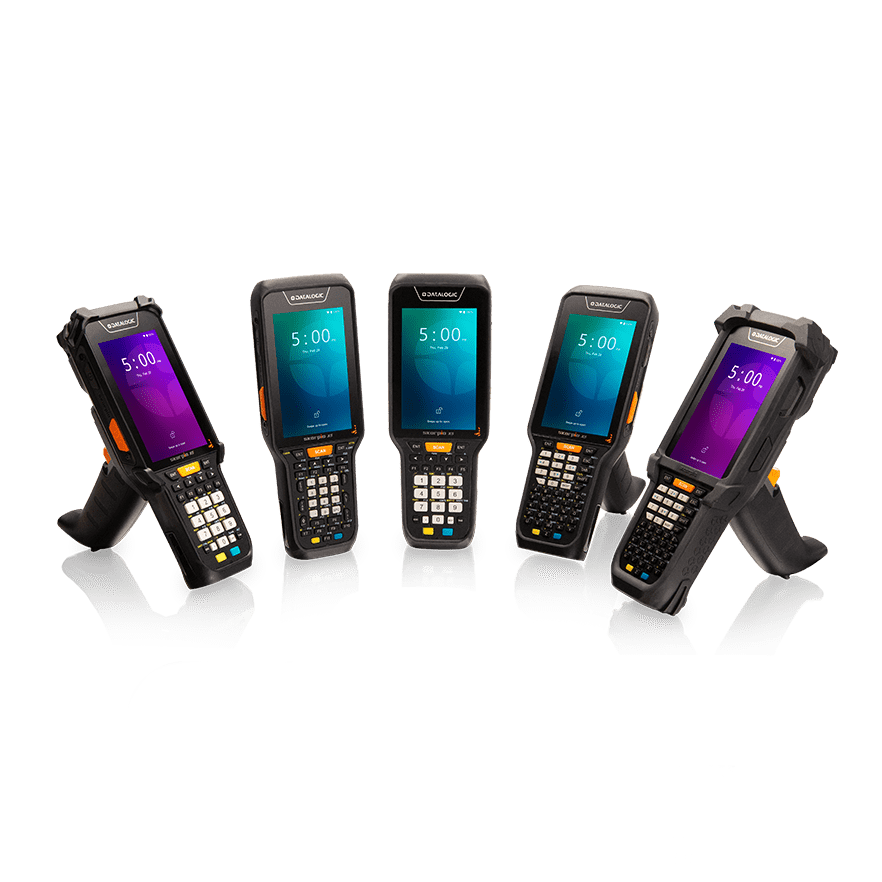
A handheld walk along the floor completes a ward in under an hour. The service module records calibration dates and maintenance cycles per device and reminds before they fall due. This data often duplicates the fixed asset system, so pick one as the master and synchronise the other.