Matching Ribbons to Label Stock: Wax, Wax-Resin, Resin
Faint print and ink that rubs off are often blamed on the printer. In many cases the ribbon simply does not match the face stock.
1. The three ribbon types
| Type | Face stock | Scratch | Solvent | Typical use |
|---|---|---|---|---|
| Wax | Coated paper | Fair | Poor | Shipping labels, short-life tags |
| Wax-resin | Coated paper, synthetic PE and PP | Good | Moderate | Product labels, shelf labels |
| Resin | PET, PVC, synthetics | Very good | Very good | Rating plates, outdoor and chemical exposure |
2. What a mismatch looks like
- Resin on coated paper: ink sits on the surface, smears under a thumb, and needs higher head energy
- Wax on PET: poor adhesion, edges lift on contact, alcohol removes it outright
- Wax-resin on laminated stock: the film rejects the ink and leaves irregular white spots
3. Three specs that get missed
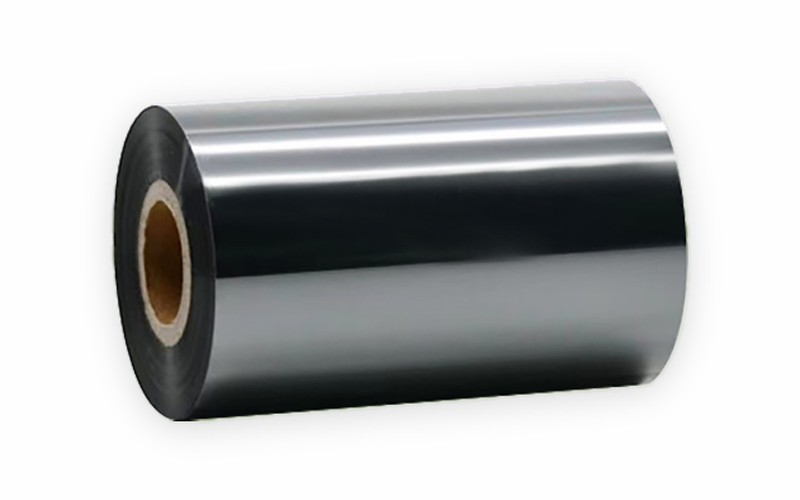
- Width: never narrower than the label, or the head edges rub directly on the media
- Winding: ink-in and ink-out are not interchangeable; reversed, you get blanks or creases
- Core: 25.4 mm is common, and the machine spindle must match
4. Order of selection
Face stock first, then durability requirements such as scratch, solvent and low temperature, and price last. Changing ribbon type on a given printer usually means adjusting density and speed as well.