Choosing Adhesive Labels: Face Stock, Adhesive, Ribbon
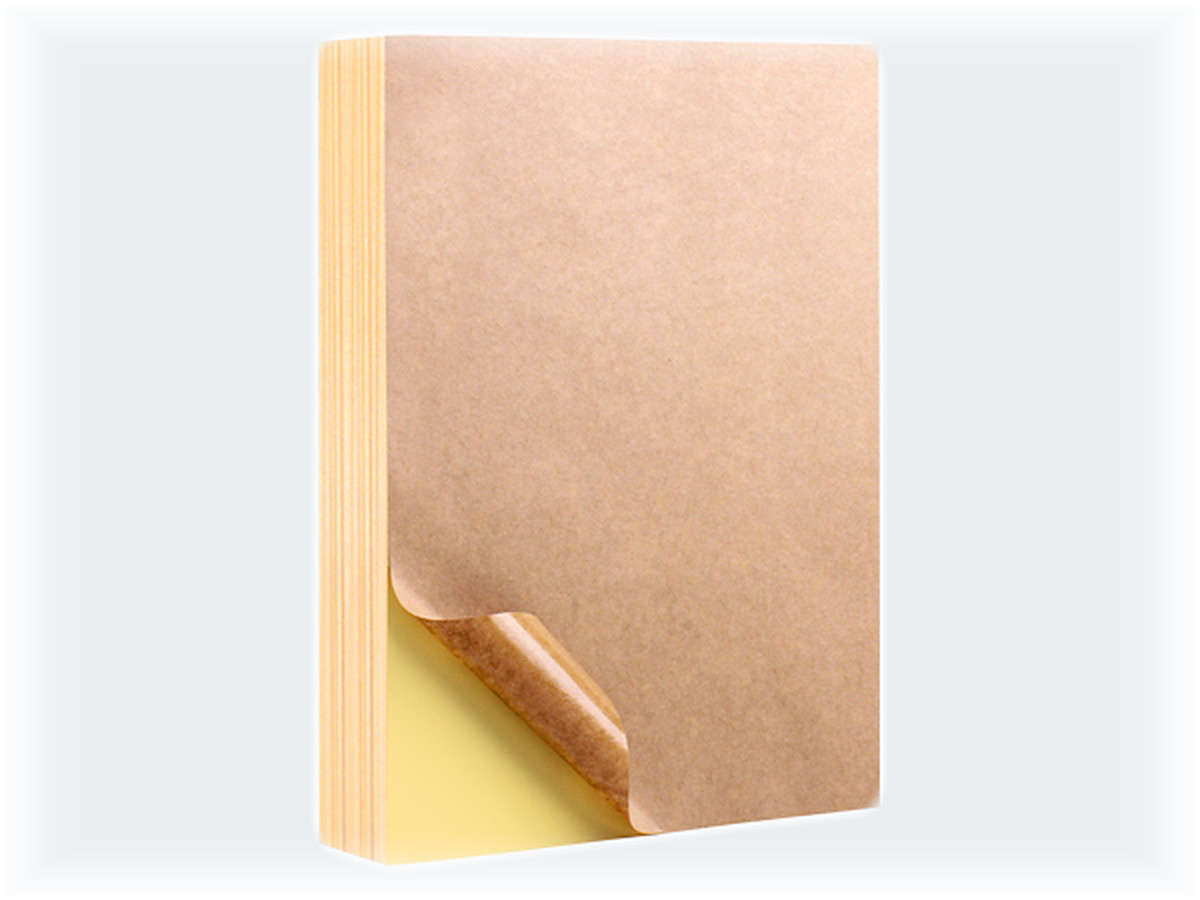
Adhesive labels look alike and behave very differently. On the same printer, a new batch can print soft, lift at the edges or leave residue when removed. The cause usually sits in three places: face stock, adhesive and ribbon. Get these aligned and the label behaves.
Step one: face stock by environment
| Face stock | Behaviour | Typical use |
|---|---|---|
| Coated paper | Low cost, sharp print, needs a ribbon | Carton labels, shelf tags, general logistics |
| Direct thermal paper | No ribbon, image formed by heat | Courier labels, receipts, short-life labels |
| PET | Temperature, tear and solvent resistant, dimensionally stable | Frozen goods, electronic parts, equipment plates |
| Synthetic paper | Water and tear resistant, paper-like feel | Outdoor, cold chain, long-retention labels |
| PE film | Conforms to curved surfaces, soft | Cosmetics, household chemicals, tubes |
A simple test: will the label meet water, oil, a freezer, or a solvent wipe? If any answer is yes, be careful with coated paper and direct thermal stock.
Step two: adhesive by surface
Permanent adhesive is the default, for labels that stay put. Removable adhesive suits promotional tags and returnable bins, and lifts without residue. High-tack adhesive is for low surface energy materials such as PE, PP and woven sacks, where a standard permanent adhesive simply falls off.
Low-temperature adhesive is a cold chain requirement. A standard adhesive loses initial tack at -18 degrees, edges lift within hours, and the scanner reads the lift as a defect. Wiping frost off before applying and pressing the label down matters as much as the adhesive itself.
Step three: ribbon by print method
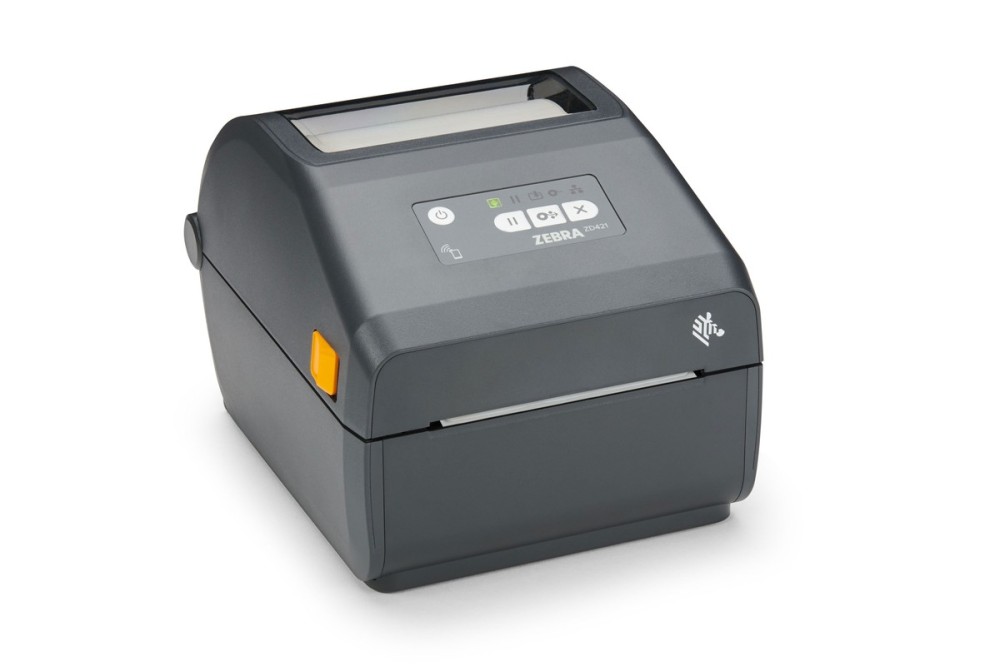
Direct thermal needs no ribbon, but does not tolerate heat, solvents or prolonged sunlight, so it suits short-life labels. For long retention or solvent wiping, use thermal transfer with a ribbon.
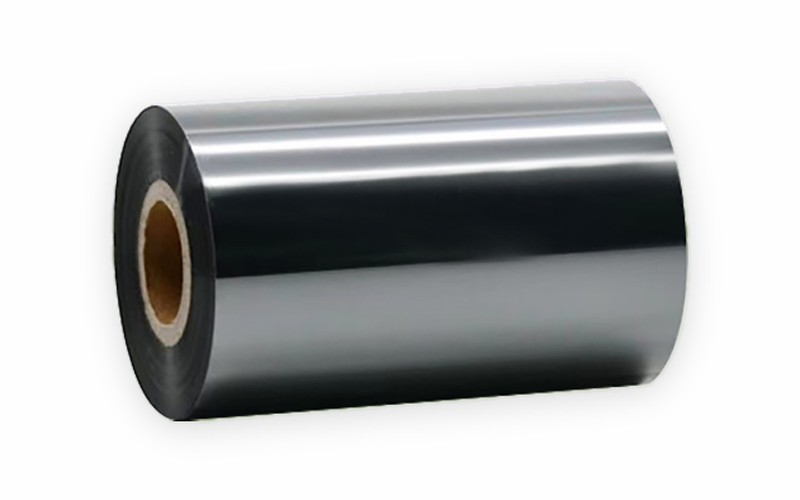
- Wax: lowest cost, suits coated paper, limited scuff resistance, not for long retention
- Wax-resin: balances scuff resistance and cost, works on coated and synthetic stock
- Resin: resists solvents, heat and wiping, worth it on PET, wasted on coated paper
Three common mismatches
- Coated paper with a resin ribbon: darkness cannot be raised and the ribbon wrinkles
- Direct thermal stock in a freezer: the image fades under cold and humidity until it will not scan
- Permanent adhesive on a PE bottle: the label lifts within a week and looks like a quality fault
Five things to confirm before sampling
- What the surface is, whether it is curved, frosted or oily
- What temperature the label lives in, and the lowest it reaches
- How long it must last, and whether it will be wiped with water or solvent
- How large the barcode is, whether 203dpi is enough or 300dpi is needed
- Core diameter and wind direction of the ribbon, and whether they match the printer
Write those five down before asking for samples, apply a test label for a week, then order in volume.