Handheld Scanner or Fixed-Mount Reader: How to Choose
Both read a barcode, but they divide the work differently. Choosing the wrong one is usually a mismatch of application rather than of performance.
1. Where each belongs
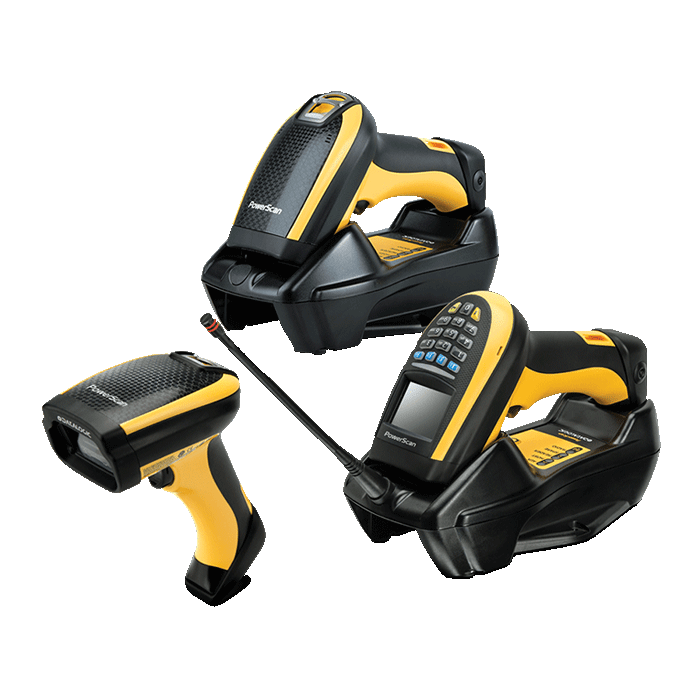
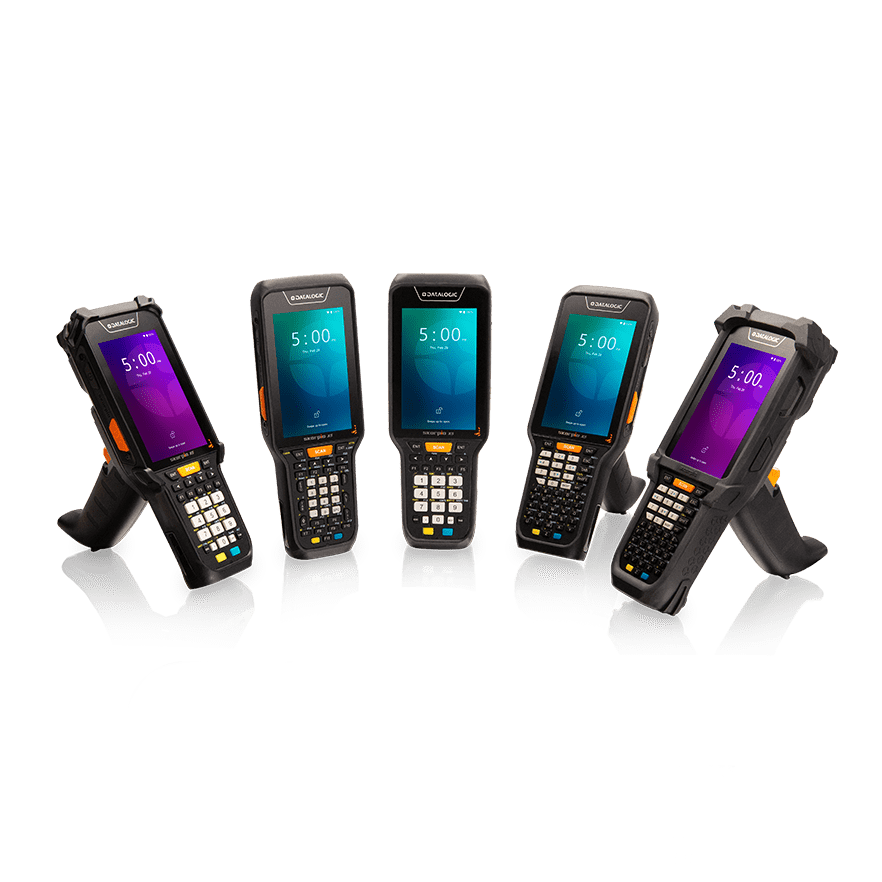
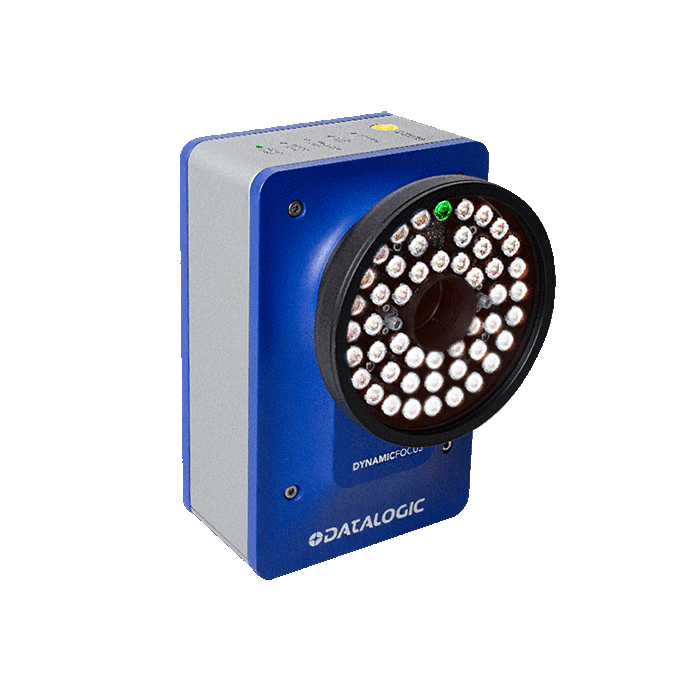
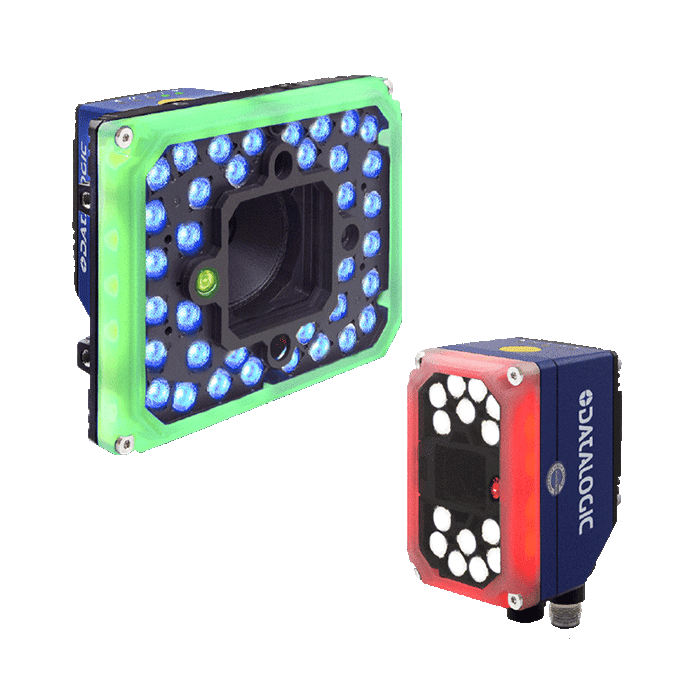
A handheld is aimed by a person: flexible, but the result depends on the operator. A fixed-mount reader sits on a conveyor, a gate or a machine and triggers automatically, giving repeatable reads, provided the position and orientation of the code are controlled.
2. Four questions
| Question | Handheld | Fixed mount |
|---|---|---|
| Is the read position fixed? | No, several stations | One station or a conveyor |
| What takt applies? | Operator pace | Line pace, continuous reading |
| Symbology and placement | Mixed codes, random position | One symbology, stable position |
| Manual intervention | Operator aims the scanner | Automatic trigger and result output |
3. What matters on a fixed reader
- Resolution: at least three pixels per module, five where conditions are poor
- Depth of field and field of view, which together set the mounting distance and coverage
- Trigger: photoelectric, continuous or command
- Communications: Ethernet, serial, fieldbus, or discrete IO to a PLC
- Lighting: coaxial, ring or polarised, chosen against the glare on the product
4. The usual compromise
Read automatically on the main line with a fixed reader, and keep a handheld at the station for rejects, re-scans and rework. Takt is preserved, and the field of view does not have to be stretched to cover rare exceptions.