How a printer knows one label has ended
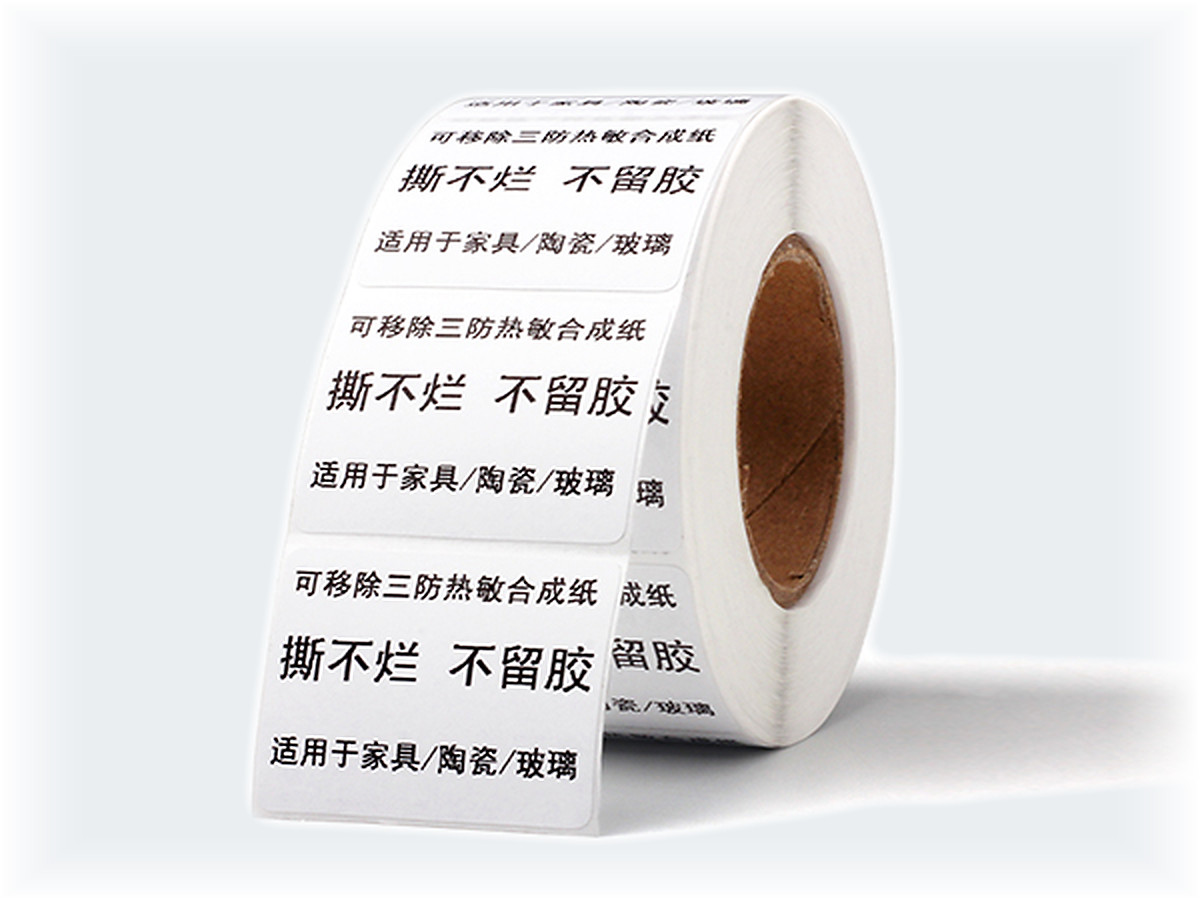
A label printer does not know how long a label is. It finds the edge with a sensor. Three sensing modes match three kinds of stock, and a mismatch shows up as skipped labels, drifting print position, or two labels' worth of content on one.
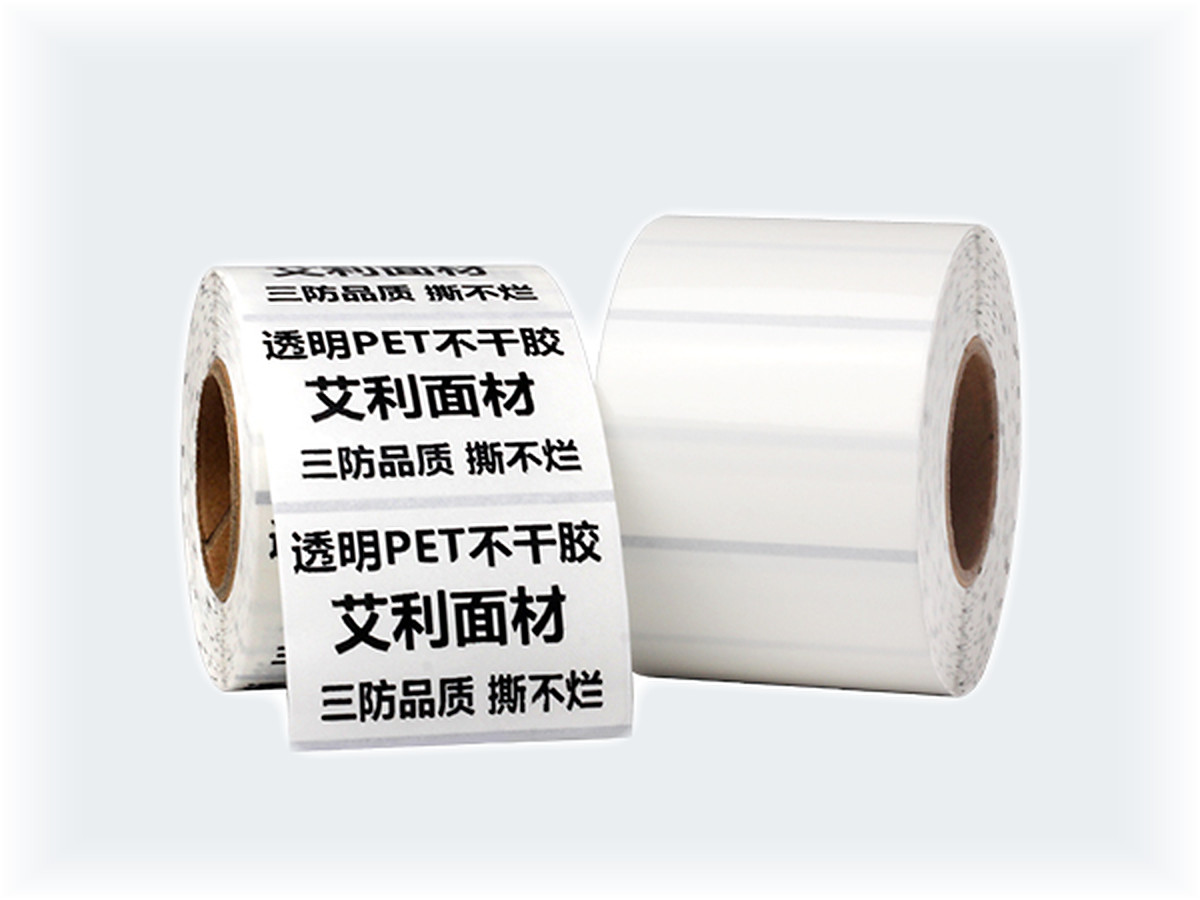
Gap stock is the most common. Liner shows between labels, and a transmissive sensor reads the change in light. The liner must pass light and the gap must be consistent, usually two to three millimetres. Too small a gap or too dense a liner and the sensor misses it, so the printer keeps feeding.
Black mark stock carries a dark bar on the reverse, read by a reflective sensor. It suits continuous material with no gap, or die-cut shapes where the gap is hard to detect. Mark position, length and density all have to match the printer setting: a shifted mark is a shifted print.
Continuous stock has no marks at all. The printer feeds a fixed length set in the driver. Tags, care labels and cable markers usually run this way. Set the length wrong and content is cut off or padded with blank space.
Before loading a roll, confirm three things: which type the stock is, whether the sensor matches it, and whether the driver is set to the same mode. Get one wrong and no amount of adjustment helps. Print three labels first and check position before running a batch.