Thermal Ribbons

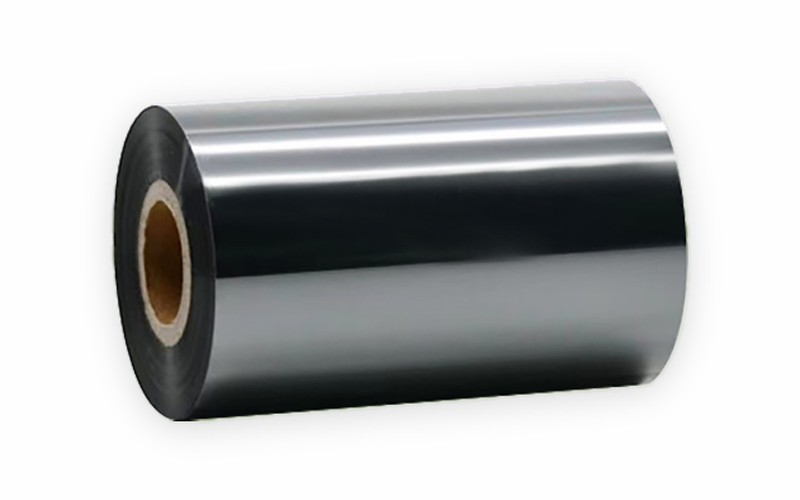
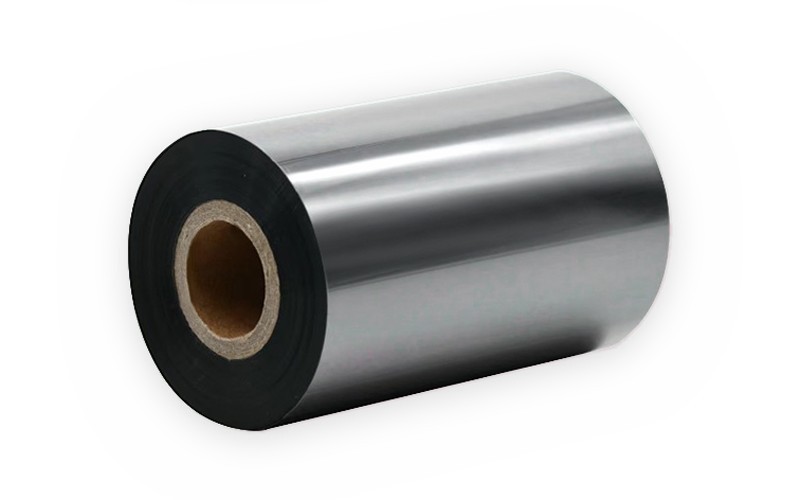
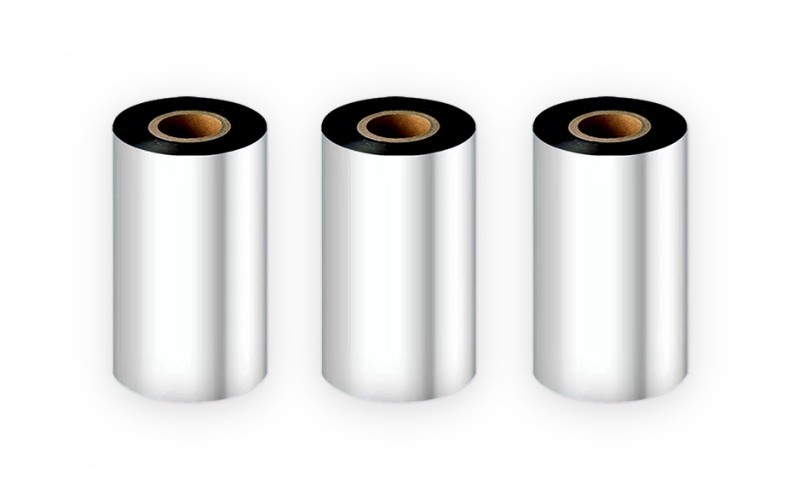
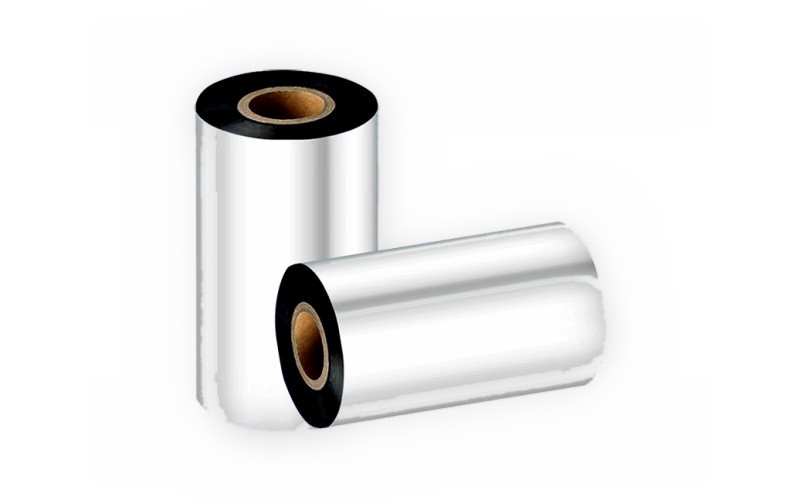
General Purpose Resin Thermal Transfer Ribbon 110mm x 300m

Resin ribbon

  • Genuine Products
  • 7×12 Support
  • Fast Delivery
  • One-Year Warranty

Before we quote, please share: label material, operating temperature, print content, daily volume and current device model.

Key Advantages

Why Choose This Product

Designed for shop-floor, warehouse and retail environments, balancing print quality, system integration and long-term cost.

Solvent resistant|95 for alcohol, oil and petrol High density|2.0 ODR, full marks on codes Wide speed range|2 to 12 ips Cold ready|No extra heating in winter

Overview

This is the general purpose resin, and the formulation is aimed squarely at solvent resistance. In the manufacturer data, alcohol, machine oil and 95 octane petrol all score 95, while 0 degree barcodes and 2D codes score 100 at 2.0 ODR black density. The message is simple: if labels meet oil or solvents, this is the ribbon.

Solvent resistance is the point

Wax and hybrid print wipes off with alcohol and smears after a soak in oil. A resin ink layer survives both, keeping barcodes readable after wiping and immersion. Automotive parts, chemical drums and electronic components are on resin for exactly this reason.

The substrate matrix covers PE, PP, PET, PVC and PI films, plus nylon taffeta, polyester satin ribbon and polyester fibre taffeta. Kraft paper and gloss coated paper are rated as solid matches; matt coated paper and garment tags are hollow, which says those two are not its strength.

Speed and definition

A 2 to 12 ips window is wide for a resin. The low end suits small characters and dense 2D codes, the high end handles volume label runs. The resolution figures come from a Zebra 105SL at 4 in/s, and the 8 to 30 mil band describes bar widths that will reproduce cleanly.

Matching substrates

PET and PVC labels are the standard pairing for it, and they take alcohol wiping and oil immersion without trouble. PI film tolerates high temperature, so it works on PI for electronic components that pass through reflow. Nylon taffeta and polyester satin are listed too, but for care label work the economy and standard care label grades are the better match.

Use and storage

Store at 5 to 35 degrees C and 20 to 80 percent relative humidity, away from direct sunlight and damp. That window is narrower than for wax grades; resin ribbons are more sensitive to heat and humidity, so check warehouse conditions.

The ribbon prints reliably at low ambient temperature without extra heating, which matters on winter shop floors.

Technical Specifications

Basic Specifications
Type:general purpose resin ribbon Ink type:resin Origin:domestic Colour:black Film thickness:4.5±0.3 micron Print density:2.0 ODR Print speed:2 to 12 ips Print resolution range: 8 to 30 mil (Zebra 105SL at 4 in/s) Performance scores:90 degree barcode 95, 0 degree barcode 100, small characters 95, 2D code 100, friction 95, alcohol 95, machine oil 95, 95 octane petrol 95 Substrates:kraft paper, gloss coated paper, synthetic paper, PE, PP, PET, PVC, PI, nylon taffeta, polyester satin, polyester fibre taffeta Printer type:flat-head Storage temperature: 5 to 35 degrees C Storage humidity:20 to 80 percent

Applications

Electronic components|PCB and part labels wiped with alcohol or flux PET film labels|PET and PVC labels exposed to oil Automotive parts|Labels on parts that see oil and petrol Chemical packaging|Containers used in solvent environments

Gallery

FAQ

Will it print PET?|Yes, PET, PVC, PI film and nylon satin are all listed. How much heat can it take?|More than wax or hybrid; PI labels suit reflow soldering. Storage conditions?|5 to 35 degrees C at 20 to 80 percent humidity. Can it do care labels?|It can, but dedicated care label ribbons last longer.

Related Products

Related Articles

Need a Quote or Solution for This Product?

Leave your requirements and we will provide model selection, technical documents and pricing, usually within one business day.

Call Us WeChat Get a Quote